
Yes, a doctor treating you in Baramati can coordinate specialist cancer care in Pune when the referral, records, responsibilities and urgent-care plan are agreed in writing. You will know which appointments require travel, which tasks can stay local and how to prevent gaps between diagnosis, surgery, chemotherapy and follow-up.
Key takeaways
- Request a written referral with diagnosis, scans, pathology and current medicines.
- Travel to Pune for specialist surgery, multidisciplinary review or procedures unavailable locally.
- Name one lead specialist for treatment decisions and ask who handles follow-up.
- Confirm direct doctor-to-doctor contact, record sharing and an emergency plan before treatment.
What coordination between Baramati and Pune actually involves
Yes. An oncology doctor in Baramati can coordinate care with a cancer specialist in Pune, even when specialist surgery must take place in Pune. Coordination means organised referrals, shared records, direct discussion and agreed follow-up—not performing complex cancer surgery locally.
1. Confirm the diagnosis or suspected cancer. Identify the relevant Pune specialist, such as a surgical oncologist or hepatopancreatobiliary surgeon, and name the local doctor who will remain involved.
2. Send a referral containing the clinical question: diagnosis, operability, neoadjuvant treatment, surgery, systemic therapy, radiation or a second opinion. Include pathology, scan reports and image files, blood results, medicines, allergies and previous treatment records.
3. Arrange or support the Pune appointment. The local doctor can contact the receiving team, clarify whether an in-person assessment is needed and discuss the case before the visit.
4. Request a written treatment sequence after review. For gastrointestinal, liver, bile-duct, gallbladder or pancreatic cancers, ask whether a multidisciplinary review involving surgery, medical oncology, radiation oncology, radiology and pathology is needed.
5. Agree who handles each task after the consultation. The local doctor can remain your primary contact for defined monitoring and follow-up, while the Pune surgeon leads operative suitability and surgical consent.
Distance alone does not create coordination. Explicit records, named responsibilities, direct communication and an escalation route do. This arrangement can give patients in Baramati specialist input without requiring every part of care to happen in Pune.
How to send the referral and decide which visits require Pune travel
You do not need to travel to Pune for every consultation. An oncology doctor in Baramati can coordinate with a cancer specialist in Pune, while a cancer specialist in Baramati or local doctor continues agreed follow-up.
- The Baramati doctor writes the referral, stating the diagnosis or suspected cancer and the question requiring specialist input.
- You or the clinic sends the referral, appointment request and complete records to the Pune team.
- The receiving team confirms the specialist, appointment date, required records and whether you must attend in person.
- The Pune specialist reviews the case, including pathology and actual scan images.
- Both doctors document who handles each next step, which tests can remain in Baramati and how urgent problems will be escalated.
Send this file:
- Biopsy or cytology report and the original histopathology report
- Tissue slides and paraffin blocks, when available
- CT or MRI image files and reports
- PET-CT images and report
- Blood-test results
- Medication list, allergies and comorbidities
- Previous chemotherapy or radiation details
- Operative notes and discharge notes
Written reports alone are inadequate before major surgery. The specialist may need to review the images, tissue and staging directly.
| Visit or task | Usually requires Pune | Can remain in Baramati when accepted |
|---|---|---|
| Specialist examination | Yes | No |
| Operative planning, surgery and complex procedures | Yes | No |
| Radiation planning, selected biopsies and unavailable tests | Yes | No |
| Blood tests, routine imaging, wound checks and nutrition review | No | Yes |
| Diabetes, anaemia and selected chemotherapy monitoring | No | Yes |
Ask the local doctor what is actually available, and obtain the Pune team’s written agreement before relying on shared care.
Which cancer specialist leads each decision when several teams are involved
Each treatment decision should have a named lead; one doctor is not enough when surgery, drug treatment and radiotherapy are all under consideration.
| Specialist | Leads or provides |
|---|---|
| Surgical oncologist | Assesses resection and performs cancer surgery |
| Medical oncologist | Selects chemotherapy, immunotherapy or other systemic treatment |
| Radiation oncologist | Plans radiotherapy |
| Radiologist | Interprets and compares imaging |
| Pathologist | Interprets tissue and confirms the diagnosis |
| Palliative-care doctor | Manages pain, nausea, breathlessness, nutrition and other symptoms alongside cancer treatment |
“Oncology doctor” is a broad term. Whether you consult a cancer specialist in Baramati or a cancer specialist in Pune, verify the doctor’s recognised specialty, medical registration and experience with your specific cancer and operation.
For gastrointestinal, liver, bile-duct, gallbladder or pancreatic cancer, request a review involving the relevant surgical oncologist or hepatopancreatobiliary surgeon, medical oncology, radiation oncology, radiology and pathology when more than one treatment modality is possible.
The team should state whether the tumour is operable, borderline resectable or unresectable; whether chemotherapy, immunotherapy or chemoradiation should come first; and whether vessel involvement changes the plan.
A second opinion is valuable for extensive surgery, suspected vessel involvement, unusual pathology or several plausible first treatments. Send the complete records—not only a referral summary—including scan images, reports, pathology material and treatment history. Without them, the second specialist may repeat tests or judge an incomplete case.
How shared treatment works after the Pune consultation or operation
A written plan must leave Pune after every consultation, tumour-board review, operation or treatment change. Without it, duplicated tests, conflicting medicines and delayed chemotherapy can follow.
1. Record the diagnosis, stage and planned sequence. If neoadjuvant chemotherapy, immunotherapy or chemoradiation comes first, state whether the aim is local control, treatment response or early treatment of microscopic spread. Immediate surgery is not always the best first step for gastrointestinal or hepatopancreatobiliary cancer.
2. Describe the operation, intended margin goals, medication doses and duration, tests with dates, and each chemotherapy or radiation responsibility. Name the escalation contact and give a working phone number or secure message route.
3. Assign authority clearly: the Pune surgeon decides operative suitability, surgical consent and surgical complications; the medical oncologist directs systemic therapy; the radiation oncologist directs radiotherapy. The local oncology doctor in Baramati can handle agreed blood tests, symptom control, wound review, nutrition, diabetes or anaemia management and selected treatment monitoring.
Before pancreatic, liver or bile-duct surgery, ask whether the Pune centre has intensive-care and interventional-radiology support for bile leaks, pancreatic fistulas, bleeding, infection and nutrition problems. Confirm who acts if a complication develops.
The plan must state when the local doctor contacts the cancer specialist in Pune and when to send the patient directly to emergency care. Fever, jaundice, persistent vomiting, worsening abdominal pain, breathlessness or confusion require urgent assessment, not routine follow-up.
How to judge whether a Pune referral arrangement is reliable
A reliable shared-care pathway has named responsibilities, secure records and a response plan—not merely a referral letter. An oncology doctor in Baramati can coordinate effectively with a cancer specialist in Pune only when both teams agree in writing on the following:
- Can they exchange full pathology reports, tissue records, scan images and operative notes through a secure channel?
- Will the Pune specialist provide a written diagnosis, stage and treatment sequence?
- Who reviews the patient between Pune visits?
- Which blood tests, imaging, wound checks and follow-up can remain in Baramati?
- Who administers chemotherapy, and who handles fever or a postoperative complication at night?
- How quickly can the Pune team review a new scan, symptom or treatment change?
- Has the proposed surgeon performed the exact operation, including cases involving the tumour’s location, size, vascular involvement, spread and required margins?
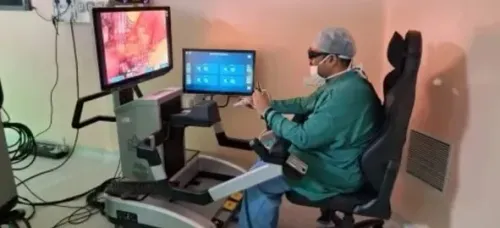
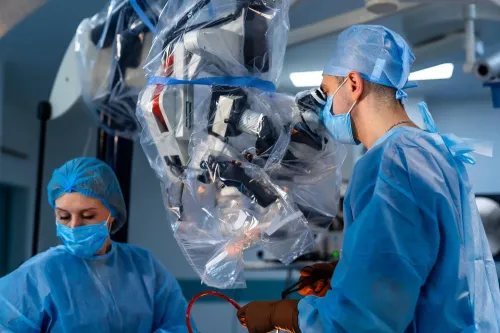
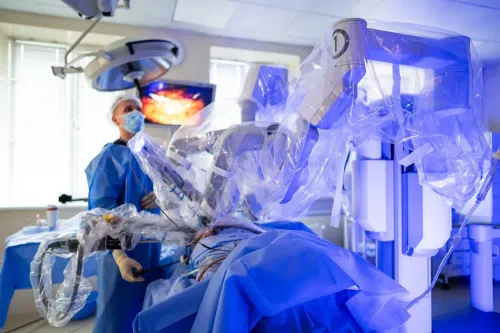
- Is laparoscopic or robotic surgery genuinely safe for this tumour?
| Approach | What to confirm | Why it matters |
|---|---|---|
| Minimally invasive | Safe margins, bleeding control and reconstruction are feasible | Conversion to open surgery can protect safety; it is not automatically a failure |
| Open surgery | The operation offers better access or control | It may be safer when vessels or nearby organs are involved |
| Shared care | Each doctor’s tasks and escalation route are written | Prevents duplicated tests and treatment delays |
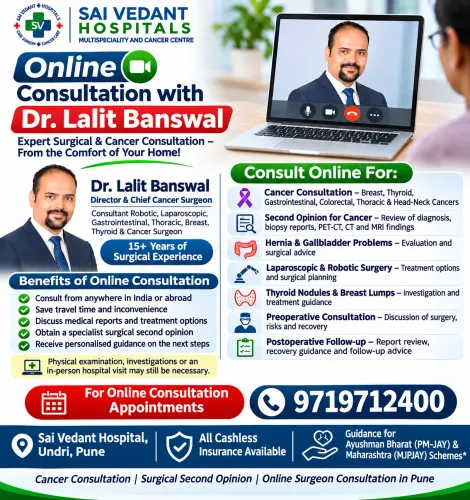
Dr Lalit Banswal’s published information identifies Pune specialist care and Sai Vedant Multi Speciality Hospital in Undri, Pune, but does not establish a Baramati clinic, visiting schedule or referral arrangement. Confirm the appointment location and communication pathway directly.
A cancer specialist in Baramati can coordinate a Pune cancer specialist effectively when records, authority, handoffs and emergency escalation are explicit.
Related service
Cancer Specialist In Pune Best Cancer Specialist in Pune Dr. Lalit Banswal is a highly experienced and renowned Cancer Specialist in Pune, known for his expertise in surgical... View service → |
Frequently asked questions
What does coordination between Baramati and Pune cancer teams involve?
It involves an organised referral, complete medical records, direct discussion between doctors, a named lead specialist and an agreed follow-up plan. Complex cancer surgery can take place in Pune while other care remains closer to home.
Which documents should you send for a Pune cancer specialist referral?
Send the referral letter, biopsy or pathology report, scan images and reports, blood-test results, discharge summaries, medication list, allergy details and previous treatment records. Include the patient’s contact details and the specific question for the Pune team.
Which cancer specialist leads decisions when several teams are involved?
The lead specialist depends on the treatment decision. A surgical oncologist leads cancer-operation planning, a medical oncologist leads chemotherapy and systemic treatment, and a radiation oncologist leads radiotherapy. Ask the teams to identify one clinician responsible for coordinating the overall plan.
How does shared treatment work after a Pune consultation or operation?
The Pune team should send the consultation or discharge summary, operative notes, pathology results, medication instructions and follow-up schedule to the Baramati doctor. Confirm who manages wound checks, medicines, tests, complications and the next Pune visit.
How can you judge whether a Baramati-to-Pune referral arrangement is reliable?
Check that the doctors communicate directly, records move securely, one clinician owns the treatment plan and written instructions identify follow-up responsibilities. Ask how urgent symptoms are handled and who to contact outside routine appointments.
Keywords