
Cancer care has changed significantly in recent years. Treatment is no longer selected only by identifying the organ where cancer began. Doctors also consider the tumour’s stage, biological characteristics, location, growth pattern and response to previous treatment. This broader approach is commonly described as advanced oncology treatment.
For patients in Pune and other parts of Maharashtra, understanding these developments can make medical consultations less overwhelming and support more informed decisions.
What does advanced oncology treatment involve?
Advanced oncology treatment does not refer to one particular procedure. It is a coordinated approach that may bring together several treatment methods, including:
- Cancer surgery
- Chemotherapy
- Radiation therapy
- Hormone therapy
- Targeted therapy
- Immunotherapy
- Reconstructive procedures
- Supportive and palliative care
Not every patient requires all these treatments. Some early-stage cancers may be managed primarily with surgery, while other conditions require medication or radiation before or after an operation. Treatment selection depends on the type and stage of cancer and the patient’s overall health.
Why accurate staging matters
Staging describes the size and extent of cancer, including whether it has reached nearby lymph nodes or other organs. It helps the oncology team determine the purpose and sequence of treatment.
Assessment may include imaging studies, biopsy findings, laboratory investigations and, where appropriate, molecular testing. A treatment plan developed before these details are available may need to be revised later.
Patients can ask their doctor:
- What type of cancer has been identified?
- What is its current stage?
- Has it reached nearby tissues or lymph nodes?
- Are additional scans or tests necessary?
- What is the objective of the recommended treatment?
Clear answers help patients understand why a particular course of care has been proposed.
The role of multidisciplinary planning
Cancer treatment often involves professionals from different specialties. A surgical oncologist may work with a medical oncologist, radiation oncologist, radiologist, pathologist, anaesthetist and rehabilitation team.
This collaboration becomes particularly important when treatment order affects the possibility or extent of surgery. For example, some patients receive chemotherapy before an operation to reduce the tumour’s size. Others undergo surgery first and receive additional treatment based on the final pathology report.
Where surgery fits into cancer care
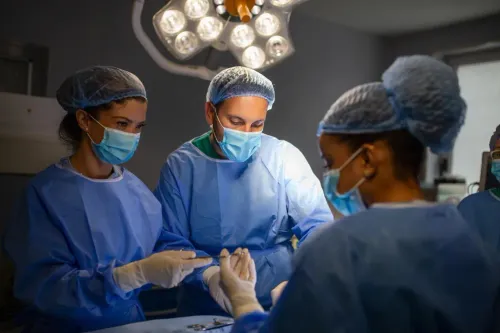
Surgery may be considered when a tumour can be removed safely and when removal is expected to support the treatment objective. The procedure may involve taking out the tumour with a margin of surrounding tissue and examining relevant lymph nodes.
The most suitable surgical technique varies. Open, laparoscopic and robotic procedures each have specific indications. A technologically advanced method is not automatically the right choice for every patient. Tumour location, previous operations, disease extent and surgeon experience all influence suitability.
Dr Lalit Banswal evaluates cancer cases from a surgical oncology perspective while considering how an operation fits into the wider treatment plan. Such evaluation is intended to establish whether surgery is appropriate and what preparation may be required.
Questions to discuss before treatment begins
Patients and families should understand the proposed treatment sequence, expected hospital stay, possible side effects and recovery requirements. It is also useful to discuss nutrition, existing medical conditions, work responsibilities and support available at home.
Advanced oncology treatment in Pune is ultimately about coordinated, diagnosis-specific care. Its value lies not in using every available technology, but in selecting an appropriate combination of treatments for the individual patient.
Keywords