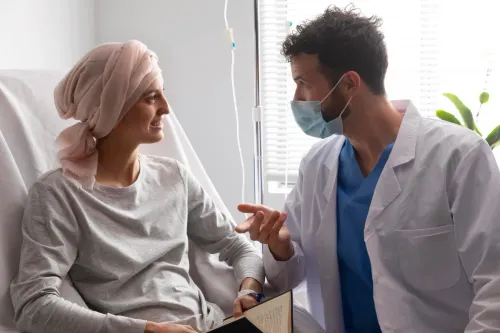

A breast cancer diagnosis often brings several decisions at once. Patients may need to understand the disease stage, choose between surgical options and determine whether chemotherapy, radiation or hormone therapy is required. Dr Lalit Banswal helps patients in Pune understand the surgical aspects of breast cancer care within a coordinated treatment plan.
The right treatment is not based on one report alone. Doctors consider the tumour’s size, location, biological features, lymph-node status and the patient’s general health before recommending the next step.
What happens after breast cancer is diagnosed?
Once a biopsy confirms breast cancer, additional assessment may be needed to understand its characteristics and extent. The evaluation commonly includes:
- Mammography or breast ultrasound
- Breast MRI in selected situations
- Hormone receptor testing
- HER2 testing
- Examination of lymph nodes
- Staging scans when medically indicated
These findings help the oncology team determine whether treatment should begin with surgery or systemic therapy.
Some patients undergo surgery first. Others may receive chemotherapy or targeted treatment before surgery to reduce the tumour’s size or assess its response.
Breast-conserving surgery and mastectomy
Breast-conserving surgery removes the tumour with a margin of surrounding tissue while preserving most of the breast. It is generally followed by radiation therapy when clinically appropriate.
A mastectomy removes the breast and may be advised when the tumour is large relative to breast size, multiple areas are involved or breast conservation is not medically suitable. Patient preference and the possibility of reconstruction may also be discussed.
Neither procedure should be considered automatically better for every patient. The appropriate option depends on whether the cancer can be removed adequately while supporting the intended oncological outcome.
Why lymph nodes may be assessed
Breast cancer can spread to lymph nodes in the armpit. Their status provides important staging information and may influence further treatment.
A sentinel lymph-node biopsy examines the first nodes to which cancer is most likely to spread. More extensive lymph-node surgery may be necessary in certain cases. The extent of surgery is decided according to clinical findings, imaging and biopsy results.
Patients should ask how lymph-node assessment may affect arm movement, sensation and the risk of lymphoedema.
Common mistakes to avoid
When comparing treatment options, patients sometimes focus only on incision size or recovery time. Important considerations can be missed when decisions are based on appearance alone.
Avoid:
- Delaying evaluation of a persistent breast lump
- Assuming every lump is cancerous
- Choosing surgery before completing necessary staging
- Believing mastectomy always removes the need for other treatment
- Comparing one patient’s treatment directly with another’s
- Ignoring rehabilitation and postoperative follow-up
A breast cancer specialist in Pune should explain why a procedure is recommended, what alternatives are available and how the final pathology report may change the treatment plan.
Preparing for the consultation
Bring biopsy slides or reports, scan images, previous prescriptions and details of other health conditions. It is helpful to write down questions about hospital stay, pain control, drainage tubes, arm exercises, return to work and further treatment.
Breast cancer care is highly individualised. A carefully planned approach can help patients understand both the immediate procedure and the treatment stages that may follow.
To discuss a breast cancer diagnosis and understand the available surgical options, schedule a consultation with Dr Lalit Banswal in Pune.
Keywords