
Choosing between a cancer surgeon and a broader cancer consultation depends on what is already known: symptoms, biopsy results, cancer stage, and whether an operation is being considered. By the end, you will know which specialist to approach first, what the appointment should cover, and how to compare a proposed operation with other treatment paths.
Key takeaways
- Ask whether the doctor is a surgical, medical or radiation oncologist.
- Bring biopsy, imaging, pathology and treatment records to the consultation.
- Compare the proposed operation, alternatives, risks and recovery—not only the surgeon’s fee.
- Seek specialist input when symptoms, test results or a cancer diagnosis need review.
What is the difference between a cancer surgeon, oncologist and cancer specialist?
The title “oncologist” does not identify one treatment. Oncology includes surgery, systemic medicines and radiation, so ask which specialty the clinician practises before booking an oncology doctor in Pune.
| Role | Main responsibility | Decision you can expect |
|---|---|---|
| Cancer surgeon or surgical oncologist | Assesses and performs operations to remove cancer | Whether surgery can remove the tumour and what operation is appropriate |
| Medical oncologist | Plans chemotherapy, targeted therapy and immunotherapy | Which systemic treatment is needed, and when to give it |
| Radiation oncologist | Plans radiation treatment | Whether radiation is suitable, its purpose and schedule |
| Cancer specialist | Broad public-facing term for any of these disciplines | Which exact specialty is being offered |
A cancer surgeon in Pune is therefore not interchangeable with every “cancer specialist.” A gastroenterologist or hepatobiliary physician may investigate digestive symptoms or manage a related organ problem without directing cancer surgery.
For complex abdominal cancers, ask whether the plan includes a multidisciplinary team: surgical, medical and radiation oncologists, radiologists, pathologists, gastroenterologists, anaesthetists, nutrition specialists and palliative-care clinicians. Their input can change the treatment sequence.
The useful comparison is not surgeon versus specialist as though one is always better. It is whether the clinician can answer your immediate question: diagnosis, staging, surgery, medicines, radiation or symptom control. Ask for the doctor’s specific oncology discipline before you book.
What happens during a cancer specialist consultation?
Expect a decision-making appointment, not merely a procedure recommendation. The clinician asks about symptoms, weight change, previous illnesses, operations, medicines, allergies, smoking or alcohol exposure, and your functional capacity—what you can walk, eat, and do each day. A physical examination follows when it could affect staging or treatment fitness.
The doctor reviews the evidence that defines the cancer:
| Material | What is checked | Why it matters |
|---|---|---|
| Biopsy or histopathology report | Tumour type and grade | Confirms the diagnosis |
| Immunohistochemistry | Biomarkers and tumour origin | Can identify targeted therapy or immunotherapy options |
| Blood tests | Blood counts, kidney and liver function | Shows treatment fitness and organ reserve |
| CT or MRI reports and actual images | Tumour location, vessel contact and spread | Tests resectability and treatment sequence |
| PET-CT findings, when performed | Disease elsewhere in the body | Helps assess stage |
| Endoscopy or colonoscopy records | The lesion and tissue sampling | Connects findings with anatomy and pathology |
Ask the cancer specialist in Pune to explain the exact tumour type, grade, stage and biomarkers; whether the aim is curative, disease-controlling or palliative; and which specialties must participate. Pathology review can change the diagnosis or reveal a treatment-relevant biomarker.
For gastrointestinal and hepatopancreatobiliary cancers, scan review matters because vessel involvement, distant spread, liver function, nutrition and performance status can shift treatment from immediate surgery to chemotherapy, radiation, combined treatment or non-operative care. A useful consultation ends with a documented, coordinated plan.
When should you see a surgical oncologist, medical oncologist or radiation oncologist?
Choose your first appointment by the treatment question, not by the generic label “cancer specialist.” Book a surgical oncology consultation after a new biopsy diagnosis when scans suggest a removable tumour, after referral for staging or surgery, when cancer has returned, when the treatment sequence is unclear, or before an irreversible operation for a second opinion.
| Specialist | Main decision | Book first when |
|---|---|---|
| Surgical oncologist | Whether surgery can remove the tumour and how it fits the treatment sequence | Imaging suggests resectable disease, surgery has been proposed, cancer has recurred, or you need a preoperative second opinion |
| Medical oncologist | Chemotherapy, targeted therapy, immunotherapy, or treatment for cancer spread throughout the body | Systemic treatment, biomarkers, or widespread disease is the central question |
| Radiation oncologist | Whether and how radiation should be planned | Radiation is the main proposed treatment or its role before or after another treatment needs clarification |
If cancer is suspected but no biopsy exists, start with the clinician who can arrange the correct investigation. Do not assume surgery is the next step; tissue diagnosis can identify tumour type, grade and biomarkers before non-emergency treatment begins.
Severe bleeding, obstruction, jaundice, breathing difficulty, confusion or uncontrolled pain requires urgent medical care rather than a routine appointment.
Advanced oncology treatment in Pune is not a synonym for robotic surgery. It can combine systemic treatment, radiation, surgery, interventional procedures and symptom control. A tumour board is valuable when sequencing is complex, especially for pancreatic, liver, bile-duct, colorectal or peritoneal disease.
What does a cancer surgeon decide beyond whether an operation is possible?
The key decision is not simply whether an operation is possible. “Operable” describes whether you can tolerate surgery; “resectable” asks whether the tumour can be removed completely, with clear margins and an acceptable long-term result. These terms are not interchangeable.
A cancer surgeon in Pune reviews the actual CT or MRI images, not only the report, to assess:
- Major blood-vessel contact, distant disease, liver reserve and the reconstruction required after removal.
- Whether pancreatic or other upper-abdominal cancer is borderline-resectable or locally advanced. Chemotherapy, with or without radiation, may come first to treat hidden systemic disease and show how the tumour behaves.
- Whether liver metastases remain treatable. Their number, distribution, disease outside the liver, response to systemic therapy and the functioning liver left after treatment all influence the decision.
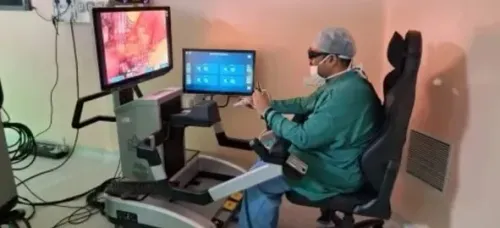
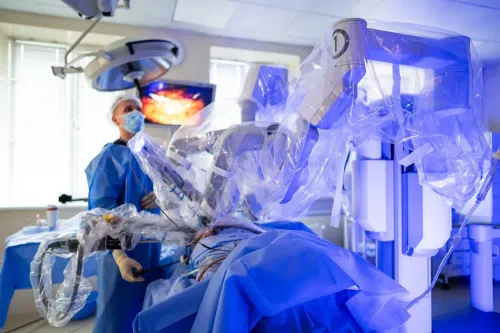
- Whether laparoscopy or robotic access is sensible. These are access methods, not guarantees of better cancer control; an open operation or conversion may be safer for a large invasive tumour, vascular involvement, dense adhesions or complex reconstruction.
Ask about the margin plan, lymph-node assessment, hospital and intensive-care stay, transfusion policy, mortality and major-complication rates. Discuss bleeding, bile or pancreatic leaks, delayed stomach emptying, liver or kidney failure, lung complications, clots, malnutrition and further procedures. Also ask what happens if exploration shows that the tumour cannot be removed.
How should you prepare for and compare a cancer surgery consultation?
Bring the complete record: biopsy or histopathology report, immunohistochemistry results, pathology slides or blocks for a second opinion, CT or MRI reports with image discs or download links, and the PET-CT report and images when performed. Include endoscopy or colonoscopy reports, blood-test results, discharge summaries, operative notes, and a current medication and allergy list.
Dr Lalit Banswal is one cancer surgeon in Pune you can evaluate alongside other qualified options.
- Ask for the exact cancer type, grade, stage and relevant biomarkers.
- Ask whether the tumour is resectable and which scan or pathology findings support that view.
- Ask what surgery is intended to achieve: cure, disease control, symptom relief or diagnosis.
- Ask about alternatives, including chemotherapy, targeted therapy, immunotherapy, radiation or observation.
- Ask whether chemotherapy or radiation is needed before or after surgery.
- Ask about hospital and intensive-care stay, transfusion policy, stoma risk, bleeding, leaks, delayed stomach emptying, liver, kidney or lung complications, clots, malnutrition, mortality, major-complication rates, recovery time and further procedures.
- Ask who coordinates follow-up and what happens if exploration finds an unresectable tumour.
| Advice point | Compare between clinicians | Stronger answer |
|---|---|---|
| Evidence | Actual scans, original tissue and pathology review | Explains findings, not only a referral summary |
| Treatment | Intent, alternatives and treatment sequence | Identifies when surgery is not the first step |
| Team plan | Tumour-board and multidisciplinary review | Names the surgical, medical, radiation, radiology and pathology roles |
A cancer specialist in Pune should give you a coordinated plan. Compare how clearly each clinician explains pathology, imaging, risks and alternatives.
Related services
Gastrointestinal Cancer Surgeon In Pune Gastrointestinal Cancer Surgeon In Pune Gastrointestinal (GI) Cancer is one of the most complex and challenging cancers that affect the organs of the digestive system, including the... View service → |
Cancer Specialist In Pune Best Cancer Specialist in Pune Dr. Lalit Banswal is a highly experienced and renowned Cancer Specialist in Pune, known for his expertise in surgical... View service → |
Frequently asked questions
What is the difference between a cancer surgeon, oncologist and cancer specialist?
A cancer surgeon, or surgical oncologist, treats cancer with operations. A medical oncologist treats cancer with medicines such as chemotherapy, targeted therapy and immunotherapy. A radiation oncologist plans and delivers radiation treatment. “Cancer specialist” is a broad term, so ask which oncology specialty the doctor practises.
What happens during a cancer specialist consultation?
The doctor reviews your symptoms, biopsy report, pathology, scans, previous treatment and general health. They discuss the cancer stage, treatment goals, possible options, risks and next steps. The consultation may also identify whether you need surgery, systemic medicines, radiation or a combined plan.
When should you see a surgical, medical or radiation oncologist?
See a surgical oncologist when an operation could diagnose, remove or control a tumour. See a medical oncologist when treatment involves chemotherapy, targeted therapy, immunotherapy or hormone therapy. See a radiation oncologist when radiation could treat the tumour, reduce symptoms or support surgery.
What should you compare during a cancer surgery consultation?
Compare the proposed operation with non-surgical or combined treatments, the reason for choosing it, expected benefits, complications, recovery time, hospital support and follow-up plan. Ask how the surgeon would adapt the procedure if scans or findings during surgery differ from expectations.
Keywords