Receiving a suspected or confirmed cancer diagnosis can create immediate uncertainty. Patients may have questions about additional testing, travel, treatment costs, surgery and how quickly decisions must be made. Understanding the usual care pathway can make the next steps more manageable.
People seeking cancer treatment in Jejuri may receive investigations locally and travel to Pune or another oncology centre for specialised procedures. Coordinating these stages carefully can reduce repeated testing and avoid unnecessary delays.
The first step is confirming the diagnosis
Symptoms and imaging findings alone may not establish a final cancer diagnosis. In many cases, tissue obtained through a biopsy is examined by a pathologist to identify whether cancer is present and determine its type.
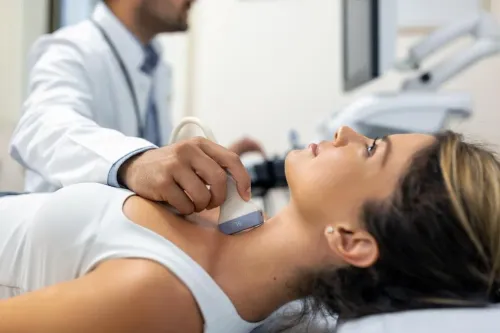
The next step is staging. Depending on the suspected cancer, staging may involve:
- Blood investigations
- Ultrasound, CT, MRI or PET imaging
- Endoscopy
- Additional tissue testing
- Assessment of nearby lymph nodes
- Molecular or biomarker testing in selected cases
These results help doctors understand how far the disease has progressed and which treatments may be relevant.
Why treatment differs between patients
Cancer treatment is not selected solely by the organ involved. Two patients with cancer in the same location may receive different recommendations because their disease stages, tumour features and general health are different.
Treatment may include surgery, chemotherapy, radiation therapy, hormone therapy, targeted medicines, immunotherapy or a combination of these methods. A patient should therefore avoid comparing treatment plans directly with those of friends or relatives, even when the diagnosis sounds similar.
When surgical evaluation is needed
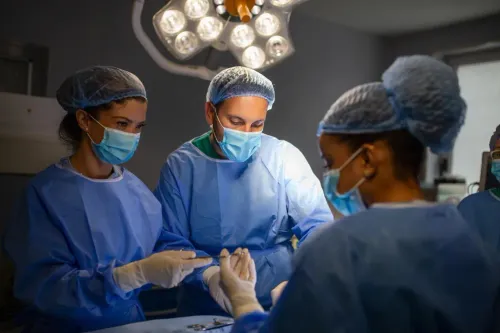
Surgical assessment may be recommended when the tumour appears removable or when an operation can help establish diagnosis, relieve symptoms or support another treatment objective.
A surgical oncologist reviews imaging, biopsy findings and the patient’s health to determine:
- Whether surgery is appropriate
- What tissues may need to be removed
- Whether lymph-node assessment is necessary
- Whether treatment should be given before the operation
- What recovery and rehabilitation may involve
Dr Lalit Banswal provides surgical oncology evaluation for patients from Jejuri, Pune and surrounding Maharashtra regions. The consultation can help clarify the role of surgery within the complete care plan rather than considering an operation in isolation.
Preparing records for an oncology appointment
Patients travelling from Jejuri can organise their documents before visiting a specialist. A useful medical file should contain:
- Biopsy and histopathology reports
- Original scan images and written reports
- Blood-test results
- Details of previous operations or cancer treatment
- Current medicines
- Information about diabetes, heart disease or other conditions
- A brief timeline of symptoms and investigations
Keeping both physical and digital copies can make coordination between hospitals and specialists easier.
Signs that need prompt medical attention
Unexplained lumps, persistent bleeding, progressive difficulty swallowing, an ongoing change in bowel habits, unexplained weight loss or a wound that does not heal should be medically evaluated. These symptoms can have non-cancerous causes, but persistent or worsening changes should not be ignored.
Cancer treatment in Jejuri begins with reliable diagnosis and accurate staging. Once these are available, patients and families can discuss the treatment objective, available options and practical arrangements with greater clarity.
Keywords