
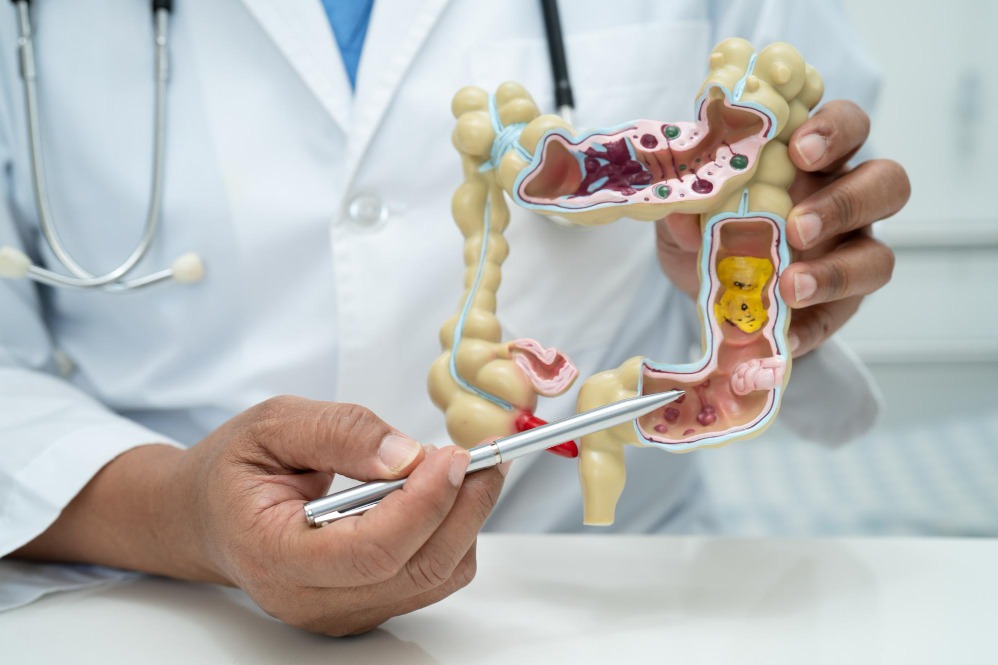
Colon cancer treatment often involves more than removing a visible growth. Accurate diagnosis, complete staging, assessment of surgical fitness and examination of the removed tissue all contribute to the final treatment plan. Dr Lalit Banswal evaluates patients requiring colon cancer surgery in Pune and explains how an operation fits into their broader oncology care.
A structured checklist can help patients and families prepare for consultations without overlooking important medical or practical details.
Confirm the tumour location
The colon is divided into different sections, and the tumour’s location influences the type of operation required. A colonoscopy allows the doctor to view the bowel and obtain a biopsy.
Patients should confirm:
- Which part of the colon is affected
- Whether the scope passed beyond the tumour
- Whether other polyps or abnormalities were seen
- What the biopsy report indicates
- Whether the tumour is in the colon or rectum
Colon and rectal cancers may require different treatment sequences, so confirming the exact location is essential.
Complete the recommended staging
Imaging is used to assess whether the disease is limited to the bowel or has reached lymph nodes or other organs. Blood tests may also be performed to evaluate general health and establish baseline values.
Treatment should not be selected from the colonoscopy report alone. The surgeon needs to review the biopsy, scans and medical history together.
Understand the proposed operation
Surgery for localised colon cancer generally involves removing the affected bowel segment along with its blood supply and relevant lymph nodes. The healthy ends of the bowel may then be joined.
Questions to ask include:
- Which section of the bowel will be removed?
- Can the operation be performed laparoscopically or robotically?
- Is open surgery more appropriate?
- Is a temporary or permanent stoma likely?
- How long might hospital recovery take?
- What dietary changes may be needed afterward?
The answers depend on tumour location, disease extent, previous abdominal surgery and the patient’s health.
Prepare for surgery safely
Preoperative preparation may include anaesthesia assessment, nutritional evaluation and management of diabetes, blood pressure or heart conditions. Smoking, anaemia and poor nutritional status can affect recovery and should be discussed openly.
Patients should provide a complete list of medicines, especially blood thinners, diabetes medicines and supplements. No prescribed medicine should be stopped without medical instructions.
Review the final pathology report
The pathology report issued after surgery provides information about the tumour’s depth, lymph-node involvement, margins and other microscopic features. These findings establish the final pathological stage.
Some patients may require chemotherapy after surgery, while others may continue with surveillance. The recommendation depends on the final stage and individual risk factors.
Plan for follow-up care
Follow-up may include clinical examinations, blood investigations, imaging and repeat colonoscopy at recommended intervals. Patients should also report persistent abdominal pain, vomiting, bleeding, fever or major changes in bowel function.
Selecting a colon cancer surgeon in Pune involves assessing more than technical capability. Patients should look for clear communication, appropriate staging, coordinated planning and a realistic explanation of recovery.
For an evaluation of colon cancer reports and a personalised discussion about surgical treatment, consult Dr Lalit Banswal in Pune.
Keywords