
A new biopsy, abnormal scan, bleeding episode, jaundice, or bowel blockage does not automatically mean that surgery is the next step. You will be able to match each finding to the right first specialist, understand how treatment teams choose between surgery and non-surgical care, and compare surgeons and hospitals using evidence that matters for your specific operation.
Key takeaways
- Start with a gastroenterologist for persistent symptoms or planned endoscopy.
- Request pathology, scan reports, and tumour-board recommendations before comparing operations.
- Compare recovery, complications, stoma risk, and additional treatment—not just surgical technique.
- Ask who will operate, which hospital will support you, and what happens after discharge.
Which specialist should you see first for a gastrointestinal cancer concern?
For persistent digestive symptoms, gastrointestinal bleeding, or a needed endoscopy or colonoscopy, start with a gastroenterologist. Heavy bleeding, fainting, perforation, severe pain, repeated vomiting, abdominal distension, or inability to pass stool or gas requires emergency assessment, not a routine appointment.
| Specialist | Best starting point | Practical role |
|---|---|---|
| Gastroenterologist | Persistent symptoms, bleeding, endoscopy, colonoscopy | Investigates the digestive tract, obtains biopsies, and identifies the likely primary lesion. |
| General surgeon | Acute obstruction, perforation, or emergency bleeding | Stabilises and operates on urgent abdominal problems; does not replace cancer-specific surgical planning. |
| Gastrointestinal cancer surgeon | Scan or biopsy suggesting a removable tumour | Plans oncologic resection, lymph-node clearance, margins, and organ-specific cancer surgery. |
| Medical oncologist | Confirmed cancer needing systemic treatment | Leads chemotherapy, immunotherapy, targeted therapy, and biomarker-driven treatment. |
| Radiation oncologist | Cancer requiring radiotherapy | Plans radiation, including preoperative treatment for selected locally advanced rectal cancers. |
| General oncologist | Several cancer services or treatment decisions need coordination | Helps coordinate the wider cancer plan and referrals between specialists. |
A general surgeon may relieve an obstruction or repair a perforation, but a GI cancer surgeon in Pune should direct the oncologic operation when cancer is suspected or confirmed. A cancer surgeon in Pune should join the team when imaging or biopsy suggests resection; metastatic disease may require systemic therapy or biopsy first.
A cancer specialist in Pune is not interchangeable with a gastrointestinal cancer surgeon in Pune. Check whether the clinician regularly treats the affected organ and performs the proposed operation, rather than relying on the title alone.
How pathology, scans, and tumour-board review change the treatment sequence
A treatment sequence starts with questions, not an operation. Each test answers a different one.
1. Endoscopy or colonoscopy shows the primary lesion’s location, size, bleeding, narrowing, and appearance, while allowing tissue sampling. The biopsy report confirms the tumour type and grade. In colorectal cancer, mismatch-repair or microsatellite-instability testing can alter immunotherapy decisions; selected gastric or gastroesophageal cancers need HER2 testing.
Broader molecular profiling is useful when results could change systemic treatment.
2. Contrast CT maps lymph nodes, liver or lung spread, and possible vessel or adjacent-organ involvement. Pelvic MRI is especially important for local staging of rectal cancer, including threatened margins and mesorectal involvement. PET-CT helps assess selected cancers or clarify uncertain distant disease; it is not a universal replacement for CT or MRI.
3. Bring the written reports and the evidence behind them: original pathology slides or blocks, actual scan images, endoscopy or colonoscopy findings, and treatment records. A second reviewer can identify a different tumour type, stage, margin risk, or metastatic pattern from the images rather than relying on summaries.
A tumour board should include the GI cancer surgeon in Pune, medical oncologist, radiation oncologist, radiologist, pathologist, gastroenterologist, anesthetist or intensivist, dietitian, rehabilitation team, and palliative-care clinician. This group determines resectability and sequences surgery, chemotherapy, immunotherapy, radiation, or supportive care.
A cancer specialist in Pune should not treat every tumour with immediate surgery; metastatic disease, biomarkers, symptoms, and treatment response may make systemic therapy or biopsy the safer first step.
What operations and treatment trade-offs should you compare?
Resectability, metastatic pattern, symptoms, molecular results, and response to treatment decide whether surgery helps. In metastatic disease, systemic therapy or a biopsy can come before removing the primary tumour. A gastrointestinal cancer surgeon in Pune usually leads an oncologic operation; medical or radiation oncologists lead non-surgical treatment.
| Operation or approach | Usually leads | Compare before choosing |
|---|---|---|
| Esophagectomy or gastrectomy | Upper-GI cancer surgeon | Potential cure versus major recovery, leaks, nutrition problems, and systemic therapy first |
| Hepatectomy | Hepatopancreatobiliary surgeon | Complete removal versus liver reserve, vessel involvement, and chemotherapy for metastases |
| Pancreatectomy | HPB surgeon with medical oncologist | Tumour clearance versus fistula, delayed gastric emptying, bleeding, infection, diabetes, and exocrine insufficiency |
| Colectomy | Colorectal surgeon | Resection versus chemotherapy or targeted treatment when spread or biomarkers change the plan |
| Rectal resection | Colorectal surgeon and radiation oncologist | Pelvic MRI and tumour-board staging may place chemotherapy and radiotherapy before surgery |
| Cytoreductive surgery with HIPEC | Peritoneal-surface surgical team | Selected peritoneal metastases only; complete cytoreduction, cancer type, disease distribution, and fitness matter |
| Obstruction, perforation, or bleeding | Emergency or general surgeon, then cancer surgeon | Stabilisation first; definitive oncologic surgery may follow |
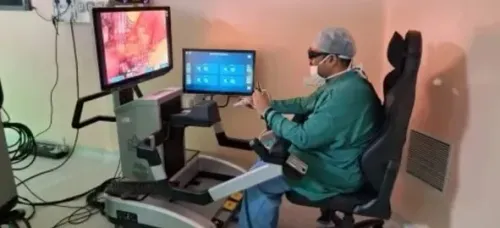
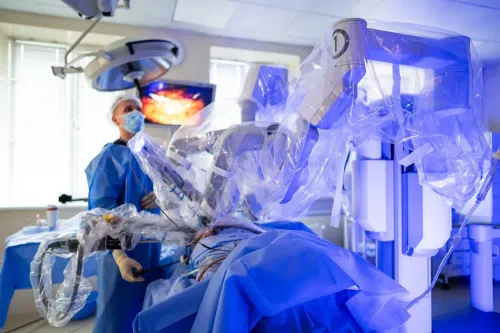
Open, laparoscopic, and robotic operations can remove the same cancer. Robotic instruments and three-dimensional vision do not make surgery more curative, and conversion to open surgery is safer for bulky invasion, difficult anatomy, obstruction, or bleeding.
A cancer surgeon in Pune should explain these trade-offs with the tumour board. HIPEC is not a universal add-on; when complete cytoreduction is unlikely, systemic treatment or symptom-focused care may offer more benefit.
How to compare a GI cancer surgeon and hospital in Pune
Match the surgeon’s recent case mix to your organ, stage, and proposed operation—not to the label “cancer surgeon in Pune.” A gastrointestinal cancer surgeon in Pune should explain oncologic margins, lymph-node dissection, staging, and coordination with medical and radiation oncology.
| Specialist | Best match | Ask about |
|---|---|---|
| Upper-GI surgeon | Esophageal or gastric cancer | Esophagectomy, gastrectomy, reconstruction |
| Hepatopancreatobiliary surgeon | Liver, bile-duct, or pancreatic cancer | Hepatectomy, Whipple procedure, pancreatectomy |
| Colorectal surgeon | Colon or rectal cancer | Colectomy, rectal resection, stoma planning |
| Broader surgical oncologist | Multiple organs or complex combined disease | Multidisciplinary planning and resectability |
Before choosing a local consultation, including the service provided by Dr Lalit Banswal, verify:
- Current specialist registration, formal board or specialty training, and hospital privileges for the proposed operation.
- The surgeon’s annual number of that named operation, the time period covered, minimally invasive conversion rate, 30-day or in-hospital mortality, major complication rate, readmission rate, reoperation rate, length of stay, and R0 resection rate where relevant.
- For pancreatic or major liver surgery, access to intensive care, interventional radiology, therapeutic endoscopy, blood-bank services, nutrition support, pathology, radiology, rehabilitation, and emergency reoperation.
- Whether the team’s case mix matches your organ, cancer stage, and operation.
Surgeon and hospital volume are useful signals, not guarantees. A cancer specialist in Pune should also provide multidisciplinary access and a reliable postoperative rescue system; these deserve equal weight with operative numbers.
Related services
Gastrointestinal Cancer Surgeon In Pune Gastrointestinal Cancer Surgeon In Pune Gastrointestinal (GI) Cancer is one of the most complex and challenging cancers that affect the organs of the digestive system, including the... View service → |
Cancer Specialist In Pune Best Cancer Specialist in Pune Dr. Lalit Banswal is a highly experienced and renowned Cancer Specialist in Pune, known for his expertise in surgical... View service → |
What should you ask before consenting to gastrointestinal cancer surgery?
Before consenting, ask the GI cancer surgeon in Pune to answer these questions in writing so you can compare recommendations with a cancer specialist in Pune:
| Question | What a useful answer should cover |
|---|---|
| What is the clinical stage, and is the tumour resectable? | Spread, vessel or organ involvement, and why surgery will or will not help. |
| What did the biopsy, contrast imaging, endoscopy, and molecular tests show? | Tumour type, grade, location, spread, and results such as mismatch-repair, microsatellite-instability, HER2, or broader profiling. |
| What are the alternatives? | Chemotherapy, immunotherapy, targeted therapy, radiation, biopsy first, or symptom-focused care. |
| What margin is planned, how many lymph nodes will be assessed, and what would make the operation incomplete? | The intended R0 resection and the findings that could prevent complete removal. |
| What is the likelihood of a temporary or permanent stoma? | The reason, expected duration, reversal plan, and stoma-care support. |
| How long will hospitalisation and recovery take? | Expected stay, return to eating and activity, and likely restrictions. |
| When would laparoscopic or robotic surgery convert to open surgery? | Bulky invasion, bleeding, obstruction, perforation, difficult anatomy, or unsafe visibility. |
| Who provides anesthesia, intensive care, pathology review, oncology treatment, nutrition, rehabilitation, and follow-up? | Names or departments responsible for each stage. |
Ask for expected survival, complications, and recovery outcomes; reject an unsupported cure percentage. Bring the biopsy report, original slides or blocks, scan images and reports, endoscopy findings, operative notes, and treatment history for a second opinion.
Seek urgent hospital care for heavy bleeding, fainting, persistent vomiting, severe abdominal distension, inability to pass stool or gas, fever with worsening pain, or new jaundice.
Frequently asked questions
Which specialist should you see first for a gastrointestinal cancer concern?
See a gastroenterologist for persistent digestive symptoms, gastrointestinal bleeding, or a needed endoscopy or colonoscopy. Seek emergency care for heavy bleeding, fainting, perforation, severe pain, repeated vomiting, abdominal distension, or inability to pass stool or gas.
How do pathology, scans, and tumour-board review change the treatment sequence?
Pathology identifies the cancer type and grade, while CT, MRI, PET-CT, or endoscopic ultrasound can show its location and spread. A multidisciplinary tumour board uses these findings to decide whether surgery comes first or whether chemotherapy, radiotherapy, or further testing should precede it.
What operations and treatment trade-offs should you compare?
Compare open, laparoscopic, and robotic surgery by cancer clearance, lymph-node removal, recovery time, complications, cost, and the surgeon’s experience with that operation. Ask whether surgery could require a temporary or permanent stoma and whether additional treatment is planned.
What should you ask before consenting to gastrointestinal cancer surgery?
Ask the surgeon to explain the diagnosis, goal of surgery, planned procedure, alternatives, major complications, expected hospital stay, recovery restrictions, stoma risk, likelihood of conversion to open surgery, and follow-up treatment.
Keywords