Surgery is not selected from the cancer’s organ alone. By reviewing staging tests, tumour biology, overall fitness and the treatment goal, you can understand whether an operation should happen now, after drug or radiation treatment, or not at all—and compare the surgeon and hospital responsible for that decision.
Key takeaways
- Choose surgery when staging supports complete tumour removal with clear margins.
- Ask how pathology and the tumour board affect your treatment plan.
- Match the operation and surgical approach to tumour location, stage and biology.
- Compare surgeon experience, hospital support, recovery planning and complication care.
When is digestive cancer surgery the right treatment?
Surgery is the right first treatment when staging shows that the tumour can be removed safely, with an R0 resection—no visible or microscopic cancer left at the margins.
A GI cancer surgeon weighs the tumour’s location, depth of invasion, lymph-node involvement, distant spread, symptoms and resectability, alongside your nutrition, organ function and ability to tolerate major surgery.
Immediate surgery is the wrong choice when distant disease cannot be removed, severe malnutrition or poor functional status makes recovery unsafe, or chemotherapy or chemoradiation should shrink or control the tumour first. Obstruction, bleeding or perforation can change the priority to urgent stabilisation, drainage, stenting, diversion or damage-control surgery.
Preoperative tests that answer these questions include:
- Endoscopy with biopsy for upper gastrointestinal tumours
- Colonoscopy for colorectal tumours
- Contrast CT of the chest, abdomen and pelvis
- MRI for selected rectal, liver or pelvic tumours
- PET-CT when indicated
- Endoscopic ultrasound for depth and nearby nodes
- Liver-function tests
- Staging laparoscopy for selected stomach, pancreatic or other cancers
| Option | What it means | When it applies |
|---|---|---|
| R0 resection | Complete cancer removal with clear margins | Resectable disease with curative intent |
| Debulking or cytoreductive surgery | Removing as much tumour as possible, not guaranteeing cure | Selected disease where reducing tumour burden helps |
| Bypass or stenting | Restoring passage without removing the cancer | Obstruction or unresectable disease |
| Emergency treatment | Immediate control of perforation, bleeding or obstruction | Stabilisation before definitive cancer treatment |
How do pathology and the tumour board change the plan?
Pathology and tumour-board review can change both the operation and its timing. A biopsy identifies malignancy and tumour type; grade, depth of invasion, lymphovascular invasion and perineural invasion refine the required margins, lymph-node clearance and need for treatment before or after resection. Final pathology can reveal features that a small biopsy missed.
- The GI surgeon and gastroenterologist confirm the biopsy, symptoms and technical options; the radiologist checks CT, MRI or endoscopic-ultrasound images for invasion, nodes, vessels and metastases.
- The pathologist reports tumour type, grade, depth and high-risk features. Medical and radiation oncologists use these findings, staging and molecular results to choose chemotherapy, immunotherapy or radiation.
- The anaesthetist assesses operative risk, while nutrition specialists correct malnutrition and the palliative-care team controls pain, obstruction, nausea or other symptoms alongside cancer treatment.
- The team agrees on staging, treatment sequence, postoperative monitoring and the trigger for reassessment. Molecular tests such as mismatch-repair status, KRAS, NRAS, BRAF or HER2 can guide systemic therapy; inherited-risk findings such as Lynch syndrome or BRCA-related variants can prompt family screening and support delaying surgery while treatment is selected. The test itself is not a surgical treatment.
Locally advanced rectal cancer may need chemotherapy, radiation or total neoadjuvant therapy before resection to shrink the tumour, sterilise involved nodes and improve complete removal. Borderline-resectable pancreatic cancer, or other locally advanced disease involving major vessels, may require systemic treatment first; repeat imaging then tests whether safe, margin-negative surgery is realistic.
Which operation and surgical approach fit the tumour?
Location, depth, vessel involvement and spread determine the operation; the aim is an R0 resection with adequate lymph-node clearance, not the smallest incision.
- Esophagectomy removes the diseased oesophagus and reconstructs the food passage.
- Gastrectomy removes part or all of the stomach.
- Pancreaticoduodenectomy treats tumours in the pancreatic head or periampullary region.
- Distal pancreatectomy treats lesions in the pancreatic body or tail.
- Hepatectomy removes a resectable liver segment, section or lobe.
- Colectomy removes involved colon and regional lymph nodes.
- Rectal resection depends on tumour height, margins and sphincter involvement.
- Multivisceral surgery removes adjacent organs together when invasion prevents clear margins.
| Approach | Access, recovery and cost | Difficult tumour or vessel control |
|---|---|---|
| Open | Larger incision and usually longer recovery; cost varies by operation | Best direct access for major bleeding, adhesions, organ invasion or vascular reconstruction |
| Laparoscopic | Small ports and often quicker recovery; equipment costs vary | Suitable only when visibility and vessel control remain safe |
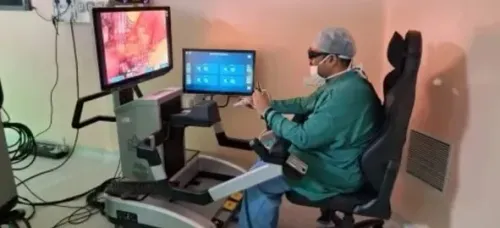
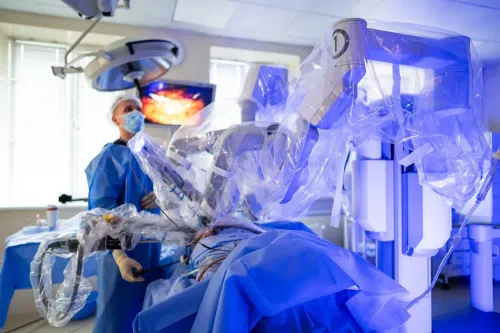
| Robotic | Small ports, 3D vision and wristed instruments; often higher equipment cost | Useful in selected confined spaces, but does not replace oncological judgment |
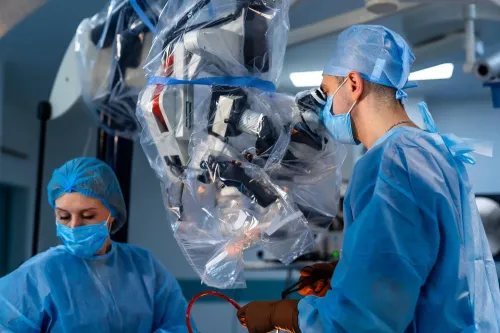
Select minimally invasive surgery only when it preserves margins, node clearance and safe vessel control. Tumour size or position, prior operations, adhesions and body habitus can favour open surgery. Conversion to open surgery is a safety decision, not automatically a failure.
Ask about anastomotic leak, pancreatic fistula, delayed gastric emptying and bile leak. Low rectal surgery can require a temporary diverting ileostomy; sphincter loss can mean a permanent ostomy.
HIPEC is not a routine add-on. It requires suitable peritoneal disease, complete or near-complete cytoreduction and a centre prepared for kidney injury, blood-count changes and prolonged recovery.
How should you compare a GI cancer surgeon and hospital?
A label such as gastrointestinal cancer surgeon in Pune or cancer surgeon in Pune does not show whether someone regularly performs your operation. Compare the proposed procedure, the surgeon’s results and the hospital’s rescue capacity.
| Check | Ask | Why it matters |
|---|---|---|
| Exact operation | Which operation do you perform regularly, and how many cases annually? | Experience differs between colectomy, pancreaticoduodenectomy, hepatectomy and multivisceral surgery. |
| Results | What are your mortality, leak, bleeding, infection, readmission and conversion-to-open rates? Are these figures for this operation? | Overall hospital figures can hide procedure-specific risk. |
| Hospital support | Is there 24-hour ICU, interventional radiology, vascular surgery, nutrition care and rapid pathology? | Leaks, organ failure and major infection need immediate treatment. |
Seek a second opinion for surgery involving multiple organs, major vessels, a permanent stoma or high morbidity. Carry the actual biopsy slides, imaging discs and pathology report—not only a referral summary.
Use a consultation with Dr Lalit Banswal to ask for the exact operation name, treatment goal, alternatives, chance of an R0 resection, expected hospital stay, feeding plan, stoma risk, adjuvant treatment and the plan if the tumour cannot be removed as expected.
Before scheduling, confirm insurer pre-authorisation and whether robotic surgery or HIPEC is covered. If travelling from nearby Maharashtra locations, ask about admission timing, follow-up visits, emergency access and where complications will be managed.
Related services
Gastrointestinal Cancer Surgeon In Pune Gastrointestinal Cancer Surgeon In Pune Gastrointestinal (GI) Cancer is one of the most complex and challenging cancers that affect the organs of the digestive system, including the... View service → |
Gynecological Cancer Specialist Gynecological Cancer Specialist Gynecological cancer is a type of cancer that starts in a woman’s reproductive organs. View service → |
What should you prepare for before and after the operation?
Stop tobacco as early as possible; smoking impairs wound healing and raises lung complications. Prepare with these actions:
- Ask the surgical and anaesthesia teams how to manage warfarin, apixaban, rivaroxaban, aspirin and other anticoagulants. Do not stop them yourself. Confirm which diabetes medicines, including insulin and SGLT2 inhibitors, to adjust before surgery.
- Treat anaemia and correct iron, vitamin B12 or folate deficiency before the operation when time allows.
- Increase protein and calories with guidance from a dietitian, especially if you have lost weight. Complete walking, breathing and strength exercises through prehabilitation.
- Follow the prescribed bowel preparation exactly. Arrange transport, a responsible adult at home and help with meals, bathing and medicines.
- Ask whether you can drink clear fluids until the permitted fasting time rather than fasting overnight.
Enhanced Recovery After Surgery combines limited fasting, careful fluids, multimodal pain relief, early walking and oral feeding when safe. It speeds recovery but does not remove operative risk.
Expect possible clots, bowel changes, reflux, dumping syndrome, nutritional deficiencies, altered urination, delayed gastric emptying, pancreatic enzyme insufficiency or diabetes. Before discharge, learn wound care, lifting limits, activity progression and the eating plan. Ask when imaging, pathology review and chemotherapy or radiation will occur.
Seek urgent care for persistent vomiting, jaundice, gastrointestinal bleeding, severe abdominal pain, fever, obstruction, or inability to pass stool and gas. Emergency treatment may require drainage, stenting, diversion or damage-control surgery before definitive cancer treatment.
Frequently asked questions
When is digestive cancer surgery the right treatment?
Surgery is appropriate when staging shows the tumour can be removed safely with an R0 resection, leaving no visible or microscopic cancer at the margins.
How do pathology and the tumour board change the plan?
Pathology identifies the tumour type, grade, margins and relevant biomarkers. A multidisciplinary tumour board uses these findings with scans and patient factors to recommend surgery, chemotherapy, radiotherapy or combined treatment.
Which operation and surgical approach fit the tumour?
The tumour’s location, size, stage, nearby organ involvement and the need for adequate margins determine the operation. Open, laparoscopic or robotic surgery must support safe cancer removal rather than serve as a goal by itself.
How should you compare a GI cancer surgeon and hospital?
Ask about experience with your cancer and operation, multidisciplinary support, intensive care, pathology, interventional radiology, anaesthesia, complication management and follow-up.
What should you prepare for before and after the operation?
Discuss nutrition, medicines, smoking, exercise, expected hospital stay, drains, wound care, eating changes, warning signs, pathology review and the next treatment appointment before surgery.
Related services
Robotic Cancer Surgery In Pune Robotic Cancer Surgery In Pune Robotic Cancer Surgery in Pune: In today’s medical landscape, surgical procedures have evolved significantly, offering patients various treatment... View service → |
HPB Cancer Surgery in Pune Dr. Lalit Banswal, a highly experienced and renowned HPB Cancer Surgeon in Pune, offers comprehensive care for patients suffering from liver,... View service → |
Hipec And Complex Surgeries Hyperthermic Intraperitoneal Chemotherapy (HIPEC) is a highly concentrated, heated chemotherapy treatment that is delivered directly to the abdomen... View service → |
Keywords