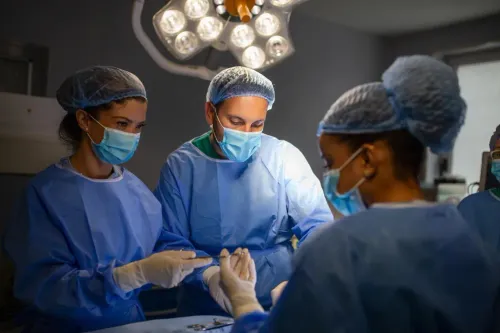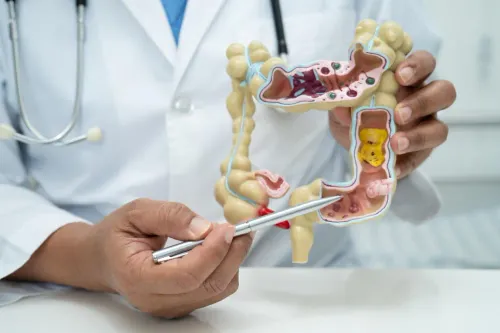
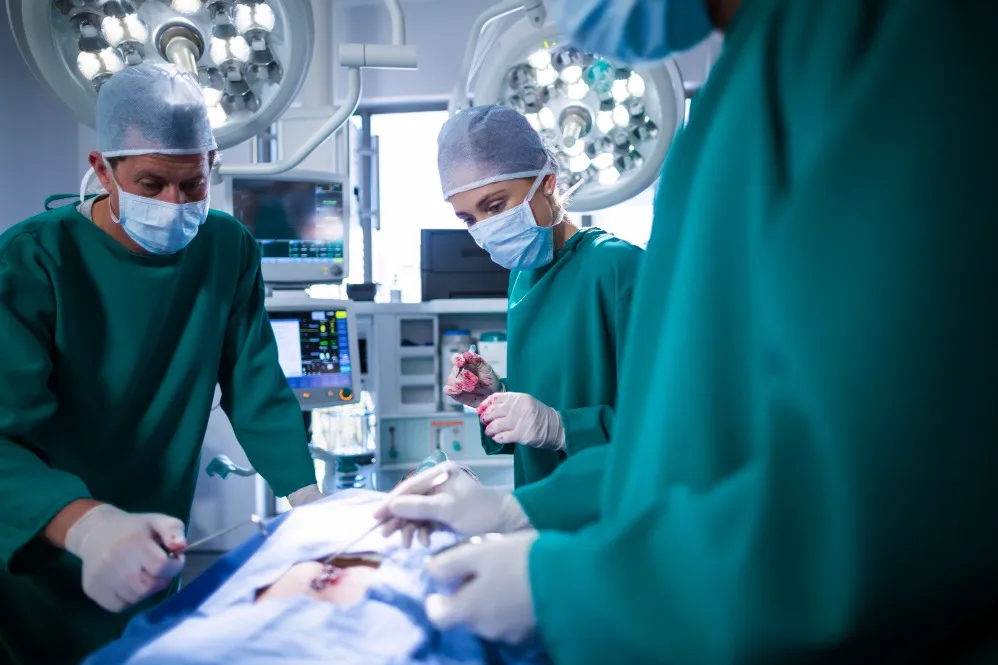
No two cancers are exactly alike. Even tumours arising in the same organ can differ in size, position, biological behaviour and relationship with nearby structures. Precision cancer surgery applies this detailed information to the planning and performance of an operation.
For patients exploring precision cancer surgery in Pune, the term should not be interpreted as a promise of a perfect or risk-free procedure. It describes a careful, individualised approach designed around the characteristics of the disease and the patient.
What makes cancer surgery precise?
Precision begins before the patient enters the operating theatre. The surgical oncologist studies biopsy findings, imaging scans, staging information and the patient’s medical history to understand the tumour’s extent.
Important planning considerations may include:
- The exact location and dimensions of the tumour
- Its relationship with blood vessels, nerves and nearby organs
- Whether regional lymph nodes appear involved
- The possibility of preserving healthy tissue or organ function
- Whether treatment is needed before surgery
- The patient’s fitness for anaesthesia and recovery
These details help determine both the objective of surgery and the safest practical route to perform it.
Clear margins and lymph-node assessment
One aim of many cancer operations is to remove the tumour with an appropriate margin of surrounding tissue. The required margin varies according to cancer type and anatomical location.
Lymph nodes may also be removed or sampled when their status affects staging and further treatment. Pathologists examine the surgical specimen to identify tumour characteristics, margin status and lymph-node involvement. This final report can influence decisions about chemotherapy, radiation or other therapies.
Precision therefore extends beyond the operation itself. It includes accurate specimen handling, pathology interpretation and postoperative planning.
Preserving function where medically appropriate
Cancer surgery must balance disease control with preservation of function. Depending on the affected area, this may involve conserving healthy breast tissue, maintaining digestive continuity, protecting important nerves or limiting the removal of unaffected structures.
Organ-preserving surgery is not suitable in every case. Its feasibility depends on tumour extent, location and the ability to achieve the intended oncological outcome. Patients should discuss both the potential benefits and limitations before choosing a procedure.
Technology as a supporting tool
Advanced imaging, laparoscopy, robotic systems and specialised surgical instruments may support precision in selected operations. These technologies can improve visualisation or help surgeons work within confined anatomical spaces.
However, precision does not come from equipment alone. Appropriate patient selection, sound surgical judgement, knowledge of cancer behaviour and coordinated postoperative care remain essential.
Dr Lalit Banswal uses diagnosis, staging information and surgical feasibility to assess how an operation may fit into a patient’s overall cancer plan. This approach is relevant for people travelling from Pune as well as nearby Maharashtra communities where access to specialised surgical evaluation may require additional planning.
Questions patients can ask
Before undergoing surgery, patients may find it useful to ask:
- What is the main objective of the operation?
- Which organs or tissues may need to be removed?
- Will lymph nodes be examined?
- Is an organ-preserving option medically suitable?
- Could chemotherapy or radiation be required afterward?
- What functional changes might occur following surgery?
- How will the final pathology report affect further care?
Precision cancer surgery in Pune is best understood as thoughtful treatment planning supported by detailed diagnostic information. The goal is to match the operation to the cancer’s characteristics while accounting for safety, recovery and long-term function.
Keywords