HPB cancer care covers cancers of the liver, bile ducts, gallbladder and pancreas, but these diseases do not share one test, operation or treatment plan. You will learn how specialists investigate each cancer, judge whether surgery is suitable, compare open and minimally invasive approaches, and assess a cancer team before consenting to treatment.
Key takeaways
- HPB cancers include liver, bile duct, gallbladder, pancreatic and ampullary tumours.
- Ask whether imaging shows resectable, borderline-resectable or unresectable disease.
- Confirm the planned margin, lymph-node approach and reconstruction before surgery.
- Bring biopsy reports, scan discs, medication lists and previous treatment records.
What HPB cancer includes and why each disease needs a different plan
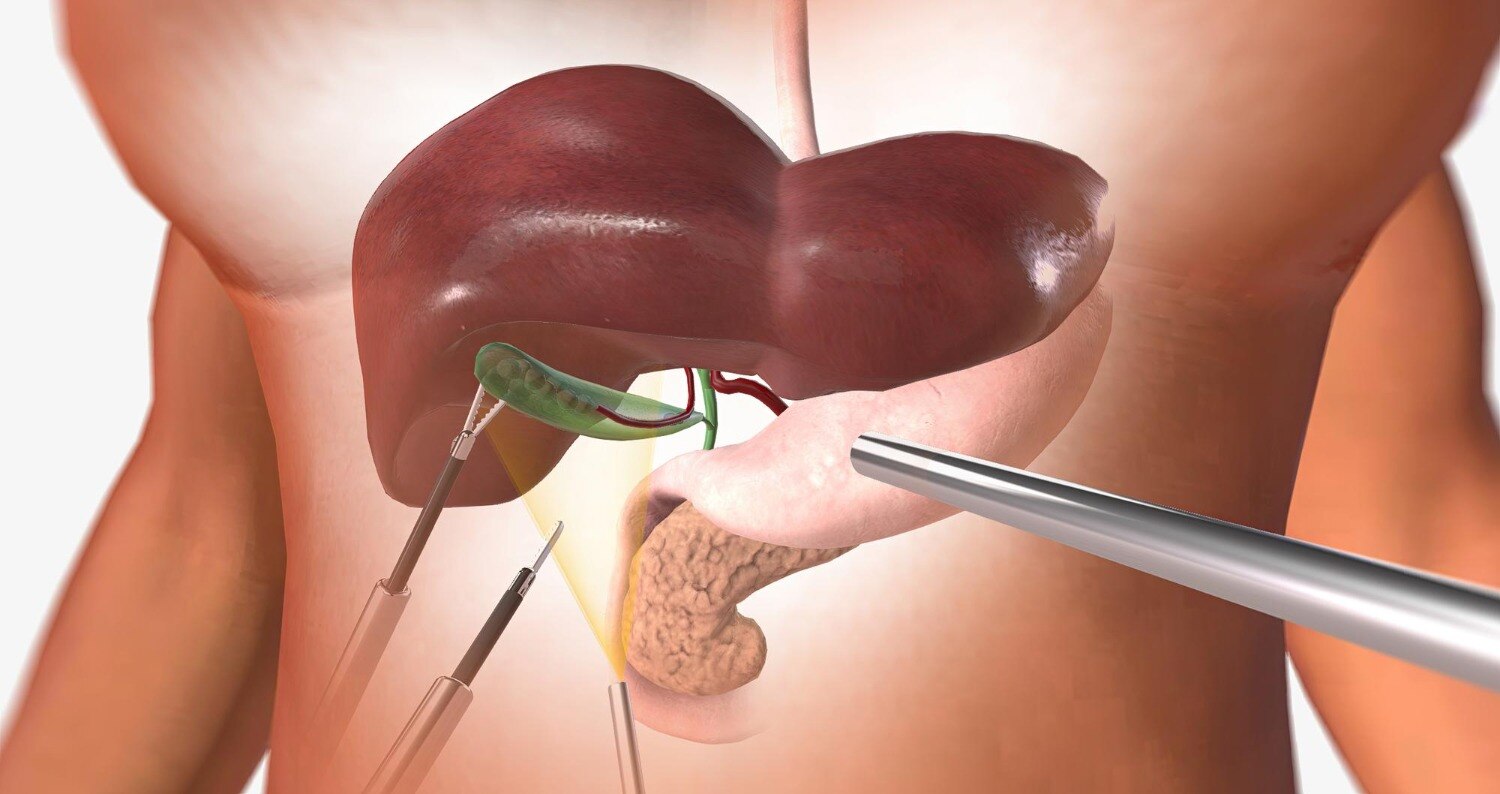
HPB cancer care covers the liver, gallbladder, bile ducts, pancreas and ampulla, where the bile duct and pancreatic duct open into the small intestine. The main cancers include hepatocellular carcinoma, intrahepatic and extrahepatic cholangiocarcinoma, gallbladder cancer, pancreatic adenocarcinoma and ampullary cancer.
| Cancer type | Main difference affecting the plan |
|---|---|
| Hepatocellular carcinoma | Often develops in a diseased liver, so resection must preserve enough functioning liver; ablation or embolisation may suit selected tumours. |
| Cholangiocarcinoma | Location inside or outside the liver changes which bile ducts, vessels and nearby organs require treatment. |
| Gallbladder cancer | An incidental finding may require gallbladder cancer re-resection, including removal of adjacent liver and lymph nodes. |
| Pancreatic or ampullary cancer | Tumour position determines whether a pancreaticoduodenectomy (Whipple procedure) or another operation is appropriate; jaundice and vessel involvement also affect timing. |
These are not one disease because their cell types, spread patterns, blood supply, bile-duct anatomy and response to chemotherapy differ. A liver resection does not demonstrate equivalent experience with pancreaticoduodenectomy, distal pancreatectomy or bile-duct resection. The plan must match tumour anatomy, stage, biology and your liver, kidney and cardiopulmonary reserve.
When comparing a cancer specialist in Pune, ask whether the team covers the complete pathway: specialist imaging and pathology review, medical and radiation oncology, interventional radiology, intensive care, nutrition and treatment of major postoperative complications.
How doctors investigate an HPB cancer before choosing treatment
A suspected HPB cancer is assessed with four questions: what is the tumour, how far has it spread, which vessels and organs are involved, and can the patient safely undergo treatment? No single scan answers all four.
| Test | What it establishes | Key limitation |
|---|---|---|
| Liver-function tests, bilirubin, albumin, INR and kidney tests | Liver reserve, bile obstruction and fitness for contrast or treatment | Abnormal results do not prove cancer |
| Multiphase contrast CT | Tumour size, lymph nodes, metastases and artery or vein involvement | Small bile-duct lesions may remain unclear |
| MRI with MRCP | Liver lesions, bile ducts and pancreatic or gallbladder anatomy | It does not replace tissue diagnosis when pathology is required |
| Endoscopic ultrasound | Small pancreatic or ampullary tumours, local extension and nearby nodes | It cannot map distant disease as well as CT |
| ERCP | Bile-duct narrowing and drainage; permits brushings or biopsy | It is invasive and is not a routine staging scan |
| Core-needle biopsy or surgical pathology | Cancer type, grade and sometimes molecular features | Sampling can miss mixed or unrepresentative tissue |
Doctors add chest imaging, PET-CT in selected cancers, and molecular tests such as mismatch-repair or microsatellite-instability testing when results could change drug treatment. A biopsy is essential before chemotherapy or immunotherapy, while a clearly resectable liver tumour may follow a different pathway.
The team then reviews vessel contact, future liver remnant, nutrition, heart-lung function, kidney function and performance status. This multidisciplinary review determines whether HPB cancer surgery in Pune is suitable, and whether treatment should begin with surgery, systemic therapy, drainage or symptom control.
Resectable, borderline-resectable or unresectable: how the team chooses treatment
A tumour is resectable when scans show that surgeons can remove it completely, with a clear microscopic margin, and the cancer has not spread to distant organs. Size alone does not decide this.
Multiphase CT or MRI shows involvement of the portal vein, superior mesenteric vein, hepatic artery, coeliac axis or superior mesenteric artery; vessel encasement can make an operation unsafe or prevent an R0 resection. Borderline-resectable disease may need treatment before surgery.
- Surgery first: Use it when anatomy permits complete removal, the patient has sufficient liver, kidney and heart-lung reserve, and there is no evidence that rapid systemic spread makes an operation futile.
- Chemotherapy first: Give it for borderline-resectable or locally advanced pancreatic cancer, selected liver or bile-duct cancers, or aggressive biology suggested by rapid growth, high-risk pathology or early spread. The response tests whether the disease behaves controllably.
- Radiotherapy: Consider it for selected locally advanced tumours or vessel-adjacent disease when radiation could improve local control or support later resection.
- Ablation: Use heat- or cold-based destruction for selected small liver tumours when resection is unsuitable because of tumour position, liver reserve or medical risk.
- Drainage or symptom-focused care: Drain an obstructed bile duct when jaundice, infection or itching requires relief. Choose symptom-focused treatment when distant disease or frailty outweighs the likely benefit of major surgery.
A multidisciplinary team weighs these findings with nutrition, performance status and patient goals. Ask a cancer surgeon in Pune how the team would change course if chemotherapy fails, scans show progression or exploration finds unresectable disease.
What precision HPB surgery involves, from margins to the operation itself
Precision cancer surgery means matching the operation to tumour anatomy, stage, biology and your liver, kidney and cardiopulmonary reserve. The aim is a clear margin around the tumour, adequate lymph-node assessment, and safe control of blood vessels, bile ducts and pancreatic ducts—not simply a smaller incision.
The operation depends on the organ and disease. Options include pancreaticoduodenectomy (Whipple procedure), distal pancreatectomy, anatomical or non-anatomical liver resection, bile-duct resection with reconstruction, and additional liver resection and lymph-node dissection for selected gallbladder cancers. An incidental cancer found after simple cholecystectomy may need pathology review and gallbladder cancer re-resection.
| Approach | Main benefit | When it fits |
|---|---|---|
| Open surgery | Direct access and control of major vessels and ducts | Large, invasive, anatomically complex tumours, extensive adhesions or anticipated reconstruction |
| Laparoscopic surgery | Smaller incisions and less incision-related morbidity | Selected resections where margins, nodes and duct or vessel control remain achievable |
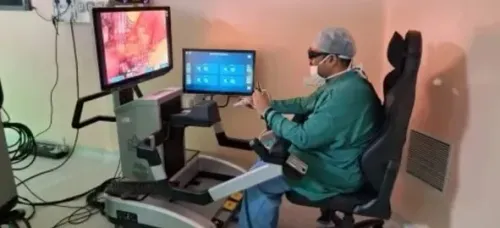
| Robotic surgery | Flexible instruments and magnified vision | Selected technically suitable cases; it does not change the cancer objectives |
Laparoscopic or robotic access is not a separate cancer treatment. Open surgery is safer when bleeding risk, tumour invasion or reconstruction makes limited access unreliable. A consultation about precision cancer surgery in Pune should explain imaging, pathology review, the planned margin, expected drains and nutrition needs, and what happens if exploration finds unresectable disease.
How to compare an HPB cancer team and prepare for consultation
Compare teams by the exact operation you may need, not by a hospital’s total cancer volume or the word “advanced.” For precision cancer surgery in Pune, ask about pancreaticoduodenectomy (Whipple procedure), distal pancreatectomy, liver resection, bile-duct resection or gallbladder cancer re-resection separately.
| Evidence to request | Strong answer | Warning sign |
|---|---|---|
| Procedure experience | Recent annual number of your operation, with 30- and 90-day mortality, major complication, readmission, reoperation and intensive-care rates | Only a combined “HPB volume” or surgeon’s career total |
| Complication plan | How the team detects and treats pancreatic fistula, bleeding, delayed gastric emptying, bile leak, infection and liver failure | Robotic or laparoscopic technique presented as risk-free |
| Recovery plan | Expected hospital stay, drains, nutrition, pain control, activity and return-to-work milestones | No written recovery expectations |
| Pathology and treatment | Named pathologist reviews margins, lymph nodes and tumour type; oncology explains chemotherapy, radiotherapy or immunotherapy after surgery | Surgery discussed without final pathology or adjuvant planning |
| Hospital capability | On-site interventional radiology, intensive care, nutrition, medical and radiation oncology, and emergency reoperation | Major complications referred elsewhere |
Take your scans, reports, medication list and biopsy slides or blocks if available. Ask what happens if exploration finds unresectable disease, who leads the tumour board, and which alternatives remain.
A cancer specialist in Pune or cancer surgeon in Pune should explain these answers in organ-specific terms. Dr Lalit Banswal’s consultation is more useful when you use the same checklist to compare the complete pathway, not just the operating platform.
Related services
HPB Cancer Surgery in Pune Dr. Lalit Banswal, a highly experienced and renowned HPB Cancer Surgeon in Pune, offers comprehensive care for patients suffering from liver,... View service → |
Gastrointestinal Cancer Surgeon In Pune Gastrointestinal Cancer Surgeon In Pune Gastrointestinal (GI) Cancer is one of the most complex and challenging cancers that affect the organs of the digestive system, including the... View service → |
Frequently asked questions
What cancers are included in HPB cancer care?
HPB cancer care includes hepatocellular carcinoma, intrahepatic and extrahepatic cholangiocarcinoma, gallbladder cancer, pancreatic adenocarcinoma and ampullary cancer.
How do doctors investigate an HPB cancer before treatment?
The team combines clinical examination, blood tests, contrast imaging such as multiphase CT or MRI, and tissue diagnosis when appropriate. The exact tests depend on the suspected cancer and planned treatment.
What do resectable, borderline-resectable and unresectable mean?
Resectable means surgeons expect to remove the cancer completely. Borderline-resectable disease involves nearby vessels or structures and requires careful planning, sometimes with treatment before surgery. Unresectable disease cannot be safely removed completely with the available surgical approach.
What should you ask an HPB cancer surgeon in Pune?
Ask about the diagnosis, scan findings, treatment sequence, expected margins, lymph-node removal, reconstruction, complications, recovery time and the team’s experience with the proposed operation.
Related services
Lung Cancer Treatment In Pune Best Lung Cancer Treatment In Pune - Dr Lalit Banswal When it comes to advanced Lung cancer Treatment in Pune, Dr. View service → |
Cancer Specialist In Pune Best Cancer Specialist in Pune Dr. Lalit Banswal is a highly experienced and renowned Cancer Specialist in Pune, known for his expertise in surgical... View service → |
Keywords