
Choosing a cancer specialist starts with the tumour, its location and the treatment decision you need—not with a generic online rating. You will be able to identify the right first appointment, prepare the records that affect surgical planning and compare Pune specialists on safety, capability and follow-up.
Key takeaways
- Book the specialist who addresses your biopsy, scan, recurrence, or second-opinion question.
- Carry biopsy slides, pathology reports, scans, medicines, and previous treatment records.
- Compare surgeon experience, hospital support, multidisciplinary review, and follow-up arrangements.
- Ask what the operation involves, why it is recommended, and what recovery will require.
Which cancer specialist should you book first?
Book the specialist who answers your immediate treatment question, not simply the first doctor available. A new biopsy, a suspicious scan, recurrence, or a request for a second opinion often justifies multidisciplinary review before surgery is scheduled.
| Role | Main responsibility | Best first fit |
|---|---|---|
| Surgical oncologist | Removes solid tumours, assesses resectability, margins and lymph nodes | A potentially operable tumour or surgical second opinion |
| Medical oncologist | Plans chemotherapy, immunotherapy, targeted therapy and other systemic treatment | Cancer needing drug treatment before or after surgery, or cancer not suited to surgery |
| Radiation oncologist | Plans radiation, including chemoradiation | Rectal, head-and-neck, cervical or other cancers where radiation affects local control |
| General surgeon | Treats common surgical conditions and performs some initial procedures or biopsies | An undiagnosed surgical problem, urgent complication or minor procedure |
| Multidisciplinary cancer team | Combines surgery, medical oncology, radiation, radiology, pathology and nursing | Complex cancer, uncertain staging or a treatment sequence that needs coordination |
For gastrointestinal, liver, bile-duct, pancreatic and colorectal cancers, choose a surgical oncologist in Pune with experience in your tumour and operation, then ask for tumour-board review. In rectal cancer, pelvic MRI and the tumour’s relationship to the mesorectal fascia can determine whether chemoradiation or total neoadjuvant therapy comes before surgery.
A cancer specialist in Pune should explain that sequence rather than assume immediate operation is best.
When does a surgical oncology consultation make sense?
A new biopsy-proven cancer, a scan showing a potentially removable tumour, suspected recurrence, or a decision about surgery justifies a surgical oncology consultation. Booking a cancer surgeon in Pune does not mean you have agreed to an operation; it means someone must assess anatomy, stage and resectability before treatment is sequenced.
| Finding or decision | Why consultation helps | What may happen next |
|---|---|---|
| Biopsy confirms cancer | Identifies the tumour type and whether surgery fits the disease | Surgery, drug treatment, radiotherapy or combined treatment |
| CT or MRI shows a localised mass | Determines whether the tumour can be removed safely and completely | Operation first, further staging or treatment before surgery |
| Rectal cancer on biopsy | Pelvic MRI shows mesorectal fascia involvement and local stage | Chemoradiation or total neoadjuvant therapy before surgery |
| Liver, bile-duct or pancreatic lesion | Reviews vessel involvement, spread and the need for specialist reconstruction | Surgery, systemic therapy, drainage or another biopsy |
| Cancer returns after treatment | Distinguishes a removable recurrence from widespread disease | Salvage surgery, drug treatment, radiation or surveillance |
| You want a second opinion | Tests whether the proposed operation, approach and timing are appropriate | Confirmation, modification or rejection of the surgical plan |
Ask whether a radiologist, pathologist, medical oncologist and radiation oncologist will review the case together. That review can change surgery from the first step to treatment after chemotherapy, or show that an operation would not improve cancer control.
A laparoscopic or robotic approach also depends on tumour position, vessel involvement and spread; an open operation or conversion may be safer.
What should you carry to the first appointment?
Carry the original reports and the actual image files, not only screenshots or a written summary. A surgical oncologist in Pune needs to confirm the tissue diagnosis, map the tumour’s extent, assess whether it can be removed safely, and then decide whether surgery comes before or after drug or radiation treatment.
Take these documents:
- Biopsy or pathology report, plus the glass slides or paraffin tissue block for review
- CT or MRI reports and image discs or portal access; add the PET-CT report and images if performed
- Endoscopy or colonoscopy report, photographs and biopsy results
- Blood-test results, including liver, kidney and tumour-marker tests
- Medication list with doses, allergies, previous operations and major medical conditions
- Records of chemotherapy, radiotherapy or earlier cancer surgery, including dates and drug names
Ask questions that force the plan into the right order:
| Question | Why it matters | What the answer should cover |
|---|---|---|
| What is the exact diagnosis and stage? | Confirms the starting point | Pathology, TNM stage and any tests still needed |
| Is the tumour resectable? | Surgery is not automatic | Invasion, distant spread, vascular involvement and expected margins |
| Do I need a multidisciplinary tumour-board review? | Treatment order can change | Surgery first, systemic therapy, radiation or another specialist |
| If this is rectal cancer, has pelvic MRI assessed the mesorectal fascia? | Local anatomy affects preoperative treatment | Whether chemoradiation or total neoadjuvant therapy should precede surgery |
| Should I obtain a second opinion? | High-risk operations are irreversible | Review of the original slides, tissue block, images and proposed operation |
How should you compare Pune cancer surgeons and hospitals?
Compare the exact operation and tumour type, not a surgeon’s age, star rating or “robotic” label. A suitable cancer surgeon in Pune should explain whether surgery is appropriate now, what could change the plan, and which hospital resources support that operation.
| Criterion | What to verify | Why it matters |
|---|---|---|
| Operation-specific expertise | Experience with your procedure, such as pancreaticoduodenectomy, liver resection, rectal resection or bile-duct surgery | Technical familiarity affects planning, complications and recovery |
| Hospital capability | Case volume, intensive-care support, interventional radiology, blood bank, endoscopy and emergency reoperation access | Complex surgery needs rescue services, not just an operating theatre |
| Team-based planning | Review by surgery, medical oncology, radiation oncology, radiology, pathology and specialist nursing | The team may recommend chemotherapy or radiotherapy before surgery |
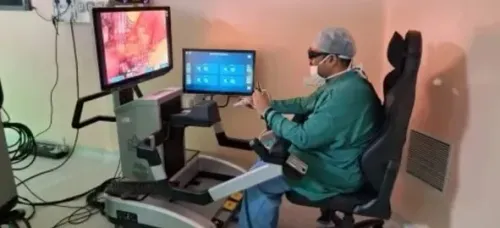
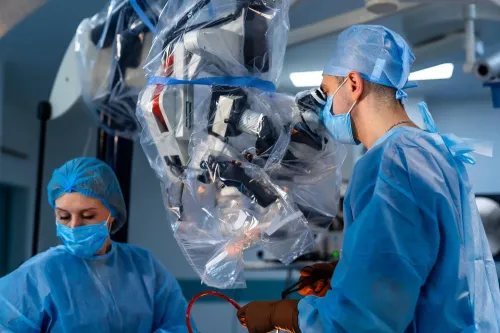
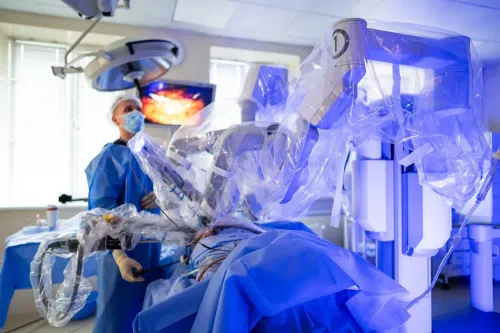
| Technology claims | Ask why robotic, laparoscopic or open surgery suits your tumour, and the likelihood of conversion to open surgery | Robotic vision and wristed instruments do not guarantee clearer margins or better cancer control |
For pancreatic, liver and bile-duct operations, ask for the surgeon’s and hospital’s relevant case volume and complication outcomes. A high-volume centre is not a guarantee, but it is more informative than online ratings.
A cancer specialist in Pune should also address rectal MRI staging, the mesorectal fascia, possible total neoadjuvant therapy, ICU and hospital stay, stoma or feeding access, pathology timing, and treatment after surgery. Dr Lalit Banswal can be assessed by these same operation-specific and team-based questions rather than by reputation alone.
Related services
Gastrointestinal Cancer Surgeon In Pune Gastrointestinal Cancer Surgeon In Pune Gastrointestinal (GI) Cancer is one of the most complex and challenging cancers that affect the organs of the digestive system, including the... View service → |
Cancer Specialist In Pune Best Cancer Specialist in Pune Dr. Lalit Banswal is a highly experienced and renowned Cancer Specialist in Pune, known for his expertise in surgical... View service → |
What should a safe surgical plan explain before you book?
Before booking, ask for a plan that names what surgery aims to remove, what happens if findings change it, and how treatment continues afterward. A safe consultation should cover these points:
1. Margins: Will pathology assess whether the tumour is removed with clear margins? Clarify R0 (no microscopic tumour at examined margins), R1 (microscopic tumour remains) and R2 (visible tumour remains), because the result can change further treatment.
2. Lymph nodes: How many nodes are expected to be removed and examined, and how will their involvement affect staging, chemotherapy or radiation? The answer should relate to your tumour type and operation.
3. Surgical approach: Is open, laparoscopic or robotic surgery safest for this tumour? Smaller incisions do not make every cancer suitable for minimally invasive surgery. Ask when conversion to open surgery could protect you from bleeding or incomplete removal.
4. Recovery and treatment: Ask about hospital stay, pain control, eating, activity, work, drains and warning signs. Confirm whether chemotherapy or radiation comes before or after surgery. For rectal cancer, ask whether pelvic MRI, mesorectal fascia assessment and multidisciplinary review support treatment before an operation.
5. Independent review and follow-up: A second opinion is sensible before pancreaticoduodenectomy, major hepatectomy, total gastrectomy or multivisceral resection. Give the second specialist the original pathology slides or block and imaging, not only a summary. Ask who reviews pathology, scans and follow-up visits after discharge.
Choose a surgical oncologist in Pune for the tumour and operation, not the label alone; a cancer specialist in Pune should explain the team’s role and resectability clearly.
Frequently asked questions
Which cancer specialist should you book first?
Book the specialist who matches your immediate question. A surgical oncologist fits questions about removing a tumour, operability, recurrence surgery, or a surgical second opinion; medical or radiation oncology input may be needed for drug or radiotherapy decisions.
When does a surgical oncology consultation make sense?
Arrange one after a new cancer diagnosis, suspicious imaging, a biopsy suggesting cancer, recurrence, or a recommendation for surgery. A consultation also helps when you want an independent review before consenting to treatment.
What should you carry to the first appointment?
Carry pathology reports, biopsy slides or blocks, CT, MRI, PET-CT or ultrasound reports and images, blood-test results, discharge summaries, medication details, and a written treatment timeline.
How should you compare Pune cancer surgeons and hospitals?
Compare experience with your cancer type and operation, access to pathology and imaging, anaesthesia and intensive-care support, multidisciplinary case review, minimally invasive options when suitable, complication management, and follow-up arrangements.
What should a safe surgical plan explain before you book?
The plan should explain the diagnosis, purpose of surgery, alternatives, expected operation and anaesthesia, likely risks, possible need for a stoma or organ removal, hospital stay, recovery, pathology review, and next treatment steps.
Related service
Robotic Cancer Surgery In Pune Robotic Cancer Surgery In Pune Robotic Cancer Surgery in Pune: In today’s medical landscape, surgical procedures have evolved significantly, offering patients various treatment... View service → |
Keywords