
The first step is not always an operation. You need to know how doctors confirm the diagnosis, map the tumour against major blood vessels, decide whether surgery is possible, choose the right sequence of treatment and prepare you for recovery. By the end, you will know what to ask at each stage of the pancreatic cancer treatment process in Pune.
Key takeaways
- Confirm staging before deciding whether surgery is possible.
- Tumour location determines the operation and treatment sequence.
- Ask how the team manages nutrition, diabetes and recovery risks.
- Compare surgeon experience, hospital support and follow-up before consenting.
How doctors confirm the diagnosis and decide whether surgery is possible
Staging comes before an operation in the pancreatic cancer treatment process in Pune. A specialist reviews your symptoms, scans and previous reports; a pathologist reviews tissue already obtained. The team also checks weight loss, nutrition, fitness and diabetes because these affect treatment tolerance and recovery.
1. A pancreas-protocol multiphase contrast CT maps the tumour’s location and size against the superior mesenteric vein, portal vein, superior mesenteric artery, coeliac axis and common hepatic artery. Liver and chest imaging look for spread. MRI or MRCP adds detail about the pancreatic and bile ducts when CT leaves an important question unanswered.
2. Endoscopic ultrasound can obtain a needle biopsy when tissue confirmation is needed, particularly before chemotherapy. PET-CT is reserved for suspected distant disease that remains unclear on standard imaging. Blood tests include bilirubin, liver-function tests, blood counts, kidney function and CA 19-9. CA 19-9 supports assessment and monitoring; it does not diagnose cancer by itself.
3. Doctors classify disease by whether they can remove the tumour with clear margins: resectable means no prohibitive vessel involvement or distant spread; borderline resectable means limited vessel contact may require treatment first; locally advanced means major local vessel involvement prevents safe immediate removal; metastatic means cancer has spread to distant organs.
Vessel involvement and distant spread matter more than size alone.
A multidisciplinary meeting brings together surgeons, radiologists, pathologists, medical oncologists, radiation oncologists, gastroenterologists and anaesthetists. This review determines whether precision cancer surgery for pancreatic cancer in Pune is appropriate now, after chemotherapy, or not safely possible.
Why the tumour’s location changes the operation and treatment sequence
Tumour location changes both the operation and the treatment sequence. A clearly resectable tumour can go directly to surgery, while borderline-resectable disease and selected high-risk tumours are treated first.
1. Neoadjuvant chemotherapy treats possible microscopic disease early and shows whether the cancer progresses before a major operation. Chemoradiation is added in specific situations, followed by repeat CT or MRI scans. Treatment first does not mean surgery has been abandoned; it tests whether surgery remains worthwhile.
2. A pancreatic-head tumour usually requires a pancreaticoduodenectomy, or Whipple procedure. The operation removes the pancreatic head, duodenum, gallbladder and bile duct. The surgeon reconnects the remaining pancreas, bile duct and stomach or duodenum to the small intestine, allowing pancreatic juice, bile and food to pass.
A standard or pylorus-preserving Whipple depends on anatomy and surgical judgment. This is a major consideration in pancreatic surgery in Pune.
3. A body or tail tumour usually requires distal pancreatectomy. The spleen is removed when necessary for tumour clearance, creating separate vaccination and infection-prevention needs. It does not require the same reconstruction as a Whipple.
4. Total pancreatectomy is uncommon. It removes the entire pancreas and creates permanent requirements for insulin and pancreatic enzymes.
A selected portal-vein or superior-mesenteric-vein resection with reconstruction can still permit complete cancer removal. Arterial reconstruction is far more selective because its risks and technical demands are greater. This sequence forms a central part of the pancreatic cancer treatment process in Pune.
What precision means inside the operating room
Precision cancer surgery is not a named operation or cancer stage. It means matching the resection to the tumour’s location, biology, vascular involvement and your fitness. For precision cancer surgery in Pune, the team uses detailed imaging and multidisciplinary judgment rather than relying on tumour size alone.
1. Surgeons review thin-slice pancreas-protocol CT or MRI and map the tumour against the superior mesenteric vein, portal vein, superior mesenteric artery and common hepatic artery. They plan a clear margin while preserving healthy tissue where that is safe.
2. The operation can change after it begins. Unexpected vascular involvement, dense adhesions, bleeding or a margin that cannot be obtained safely can require vein resection and reconstruction, or a different surgical approach.
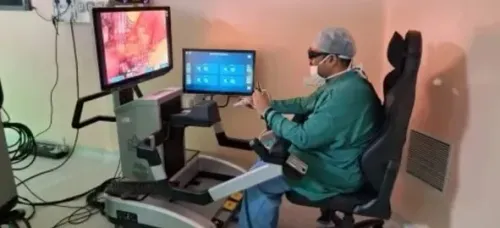
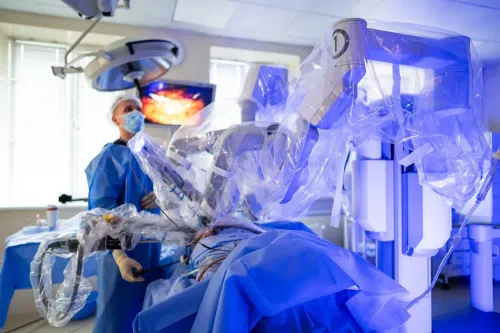
3. Robotic, laparoscopic and open surgery are compared by incision size, instrument access, recovery demands and anatomical suitability. Robotic or laparoscopic surgery can mean smaller incisions in carefully selected cases, but it is not automatically safer or more effective against cancer.
Conversion to open surgery is a safety decision, not a failed operation; open surgery provides direct access for complex anatomy or vascular work.
After removal, pathology confirms margin status, lymph-node involvement, tumour type, grade and treatment response. Those findings guide the next decision, including whether further chemotherapy is recommended. This is what precision cancer surgery for pancreatic cancer in Pune should mean: a tailored plan that remains safe when the anatomy does not match the scan.
What hospital recovery, complications and follow-up involve
Discharge is a milestone, not the end of recovery. After a Whipple or distal pancreatectomy, recovery takes weeks to months. You may go home with drains, restricted meals, nutritional support, physiotherapy, enzyme replacement or blood-glucose monitoring.
1. Watch for delayed gastric emptying, pancreatic leak or fistula, bleeding, bile leak, infection, intra-abdominal abscess, blood clots and diabetes. A clinically important pancreatic fistula means drain output causes clinical consequences and has amylase above three times the institutional upper limit of normal after postoperative day three.
A biochemical leak is different from grade B or C fistula.
2. Treatment depends on the problem. Antibiotics, drainage, endoscopy, interventional radiology, intensive-care monitoring, reoperation, readmission or prolonged nutrition may be necessary. Ask about these risks before consenting, along with pancreatic enzyme insufficiency and changing blood-glucose control.
3. After discharge, follow-up checks the wound and drain, food intake, weight, enzyme dose, glucose and pathology report. Contact the team for fever, worsening abdominal pain, vomiting, breathlessness, bleeding or reduced drain output with increasing pain.
The pancreatic cancer treatment process in Pune should include a pathology review after surgery. The report records tumour type, grade, treatment response, margins and lymph nodes. Adjuvant chemotherapy is commonly considered after apparently complete removal because microscopic cancer can remain; the final pathology, not the operation alone, should guide that decision.
How to compare pancreatic cancer teams before you consent
Before consenting to pancreatic surgery in Pune, ask who will perform the operation and how often the unit performs pancreatic resections. Confirm the planned Whipple, distal pancreatectomy or other operation, whether portal or superior mesenteric vein resection and reconstruction could be needed, and what would trigger conversion from robotic or laparoscopic surgery to open surgery.
Precision cancer surgery in Pune should mean a tumour-specific plan, not simply a “robotic” label.
| Question | What a clear answer covers |
|---|---|
| Who supports the operation? | Interventional radiology, therapeutic endoscopy, medical oncology, intensive care, specialist pathology, blood-bank support and emergency reoperation on site |
| How are complications handled? | A defined response to pancreatic leaks, delayed gastric emptying, bleeding and readmission, including drainage, endoscopy, transfusion or reoperation |
| When is pathology reviewed? | The multidisciplinary team reviews final margins, lymph nodes and tumour findings, with a stated date for the next treatment decision |
Request a second review of scans and pathology when the disease is called borderline resectable or the proposed operation is extensive. Dr Lalit Banswal can join that discussion for patients seeking surgical oncology care in Pune.
Before signing, request a written outline covering the intended operation, possible vascular work, transfusion, intensive-care needs, likely complications, pathology review, follow-up and the next treatment decision.
Related services
Pancreatic Cancer Treatment Dr. Lalit Banswal is one of the Best Pancreatic Cancer specialist in Pune and handles every case with utmost care. View service → |
Robotic Cancer Surgery In Pune Robotic Cancer Surgery In Pune Robotic Cancer Surgery in Pune: In today’s medical landscape, surgical procedures have evolved significantly, offering patients various treatment... View service → |
Frequently asked questions
How do doctors decide whether pancreatic cancer surgery is possible?
They review scans, tissue findings, tumour spread, blood-vessel involvement, nutrition, weight loss, diabetes and overall fitness before recommending surgery.
Why does the tumour’s location change the operation?
A tumour in the pancreatic head may require a Whipple procedure, while a tumour in the body or tail may require distal pancreatectomy. Nearby blood vessels and spread also affect the treatment sequence.
What does precision mean during pancreatic cancer surgery?
Precision involves matching the operation to the tumour’s location and anatomy, using detailed imaging, careful dissection and planned removal of affected tissue while protecting vital structures.
What should you expect during recovery after pancreatic surgery?
Recovery includes monitoring for bleeding, infection, pancreatic or bile leaks, delayed stomach emptying, blood-sugar changes, nutrition problems and the need for follow-up treatment.
How can you compare pancreatic cancer teams before consenting?
Ask about the proposed operation, surgeon and hospital experience, intensive-care and nutrition support, complication management, pathology review, treatment alternatives and follow-up plans.
Related service
HPB Cancer Surgery in Pune Dr. Lalit Banswal, a highly experienced and renowned HPB Cancer Surgeon in Pune, offers comprehensive care for patients suffering from liver,... View service → |
Keywords