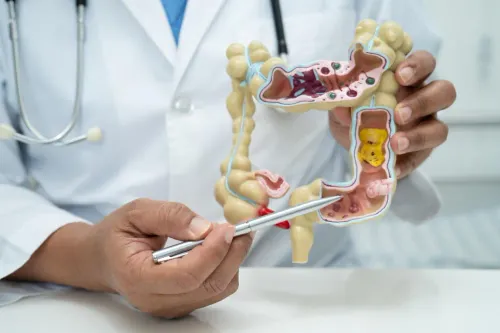
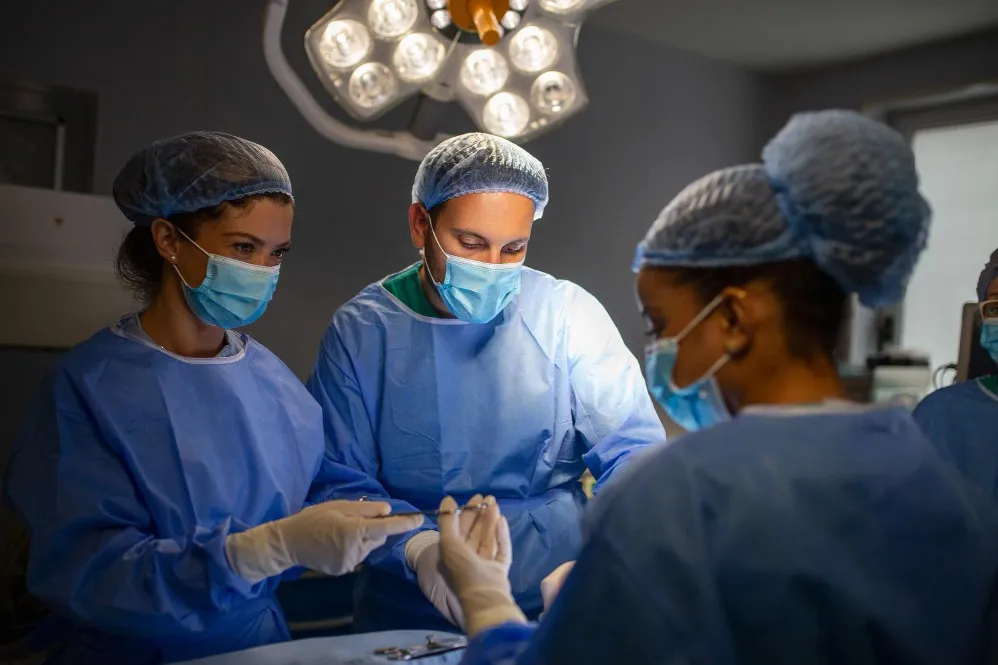
A confirmed cancer diagnosis does not always mean that surgery is required. However, early surgical evaluation can be important when an operation may help diagnose, remove or control the disease. Dr Lalit Banswal provides surgical oncology guidance for patients from Baramati and nearby Maharashtra communities who need to understand whether surgery is appropriate.
Knowing when to consult a surgical oncologist can prevent confusion about treatment sequence and help patients prepare for specialised care.
What does a surgical oncologist do?
A surgical oncologist is trained to evaluate and perform operations related to cancer. The role extends beyond removing a tumour. It includes reviewing the disease stage, determining whether surgery is feasible and coordinating with medical and radiation oncologists.
A surgical consultation may address:
- Whether a tumour can be removed safely
- The extent of tissue or organ removal required
- Lymph-node assessment
- Open, laparoscopic or robotic approaches
- Reconstruction or rehabilitation needs
- Treatment required before or after surgery
- Postoperative monitoring
The recommendation depends on the cancer type, stage, anatomy and the patient’s fitness for surgery.
Readiness indicators for consultation
An appointment with a surgical oncologist may be appropriate when:
- A biopsy has confirmed cancer.
- Imaging shows a suspicious or potentially removable tumour.
- Another specialist has recommended surgical evaluation.
- A previously treated cancer appears to have returned.
- A tumour is causing bleeding, obstruction, pain or other complications.
- A second opinion is needed about the extent or timing of surgery.
- The patient wants to compare open and minimally invasive approaches.
Consultation does not commit the patient to an operation. It provides information about whether surgery should form part of the care plan.
Records to bring from Baramati
Carrying complete records helps reduce avoidable repeat visits. Patients should bring:
- Biopsy and histopathology reports
- Glass slides or tissue blocks when requested
- Original CT, MRI, PET or ultrasound images
- Blood-test reports
- Endoscopy or colonoscopy findings
- Previous operation notes
- Details of chemotherapy or radiation already received
- A complete medicine list
Digital copies should be backed up, but physical reports may still be useful during hospital registration and consultations.
Questions that clarify surgical readiness
Ask the surgical oncologist:
- Is the disease localised or has it spread?
- Is surgery currently possible?
- Should another treatment be completed first?
- What will be removed during the operation?
- Could reconstruction or a temporary stoma be required?
- What are the important risks?
- How long may hospital and home recovery take?
- When will the final pathology report be available?
These questions provide a realistic understanding of the proposed procedure.
Planning treatment away from home
Patients travelling from Baramati to Pune may need to arrange transport, accommodation and a family caregiver. Before admission, confirm the likely hospital stay and whether follow-up can be shared with a local physician.
After major surgery, travel may need to be limited temporarily. The treating team should explain wound care, diet, activity restrictions and warning signs that require medical attention.
Choosing a surgical oncologist in Baramati’s accessible regional network should be based on diagnosis-specific evaluation and continuity of care. Distance is one factor, but the suitability of the treatment plan remains central.
For an assessment of cancer reports and guidance on surgical readiness, consult Dr Lalit Banswal before finalising the next stage of treatment.
Keywords